Your Amazon sales rarely disappear without a reason. When sellers experience an Amazon sales drop, they often look for a quick explanation. They blame the algorithm, increase PPC spending, reduce prices, and often change their entire listing. But the real problem is often hidden beneath the numbers.
A sales decline is usually connected to one of four areas:
- Reduced visibility
- Lower conversion rates
- Increased competition
- Operational issues
The challenge is identifying which area is affecting your business.
Amazon is not a simple marketplace where sales depend only on having a good product. Your success depends on how well your listing, advertising, inventory, pricing, and customer experience work together.
So before making changes, take a moment to understand what your data is telling you.
In this article, we will explore the biggest reasons behind Amazon sales drops and the practical steps you can take to recover your performance.
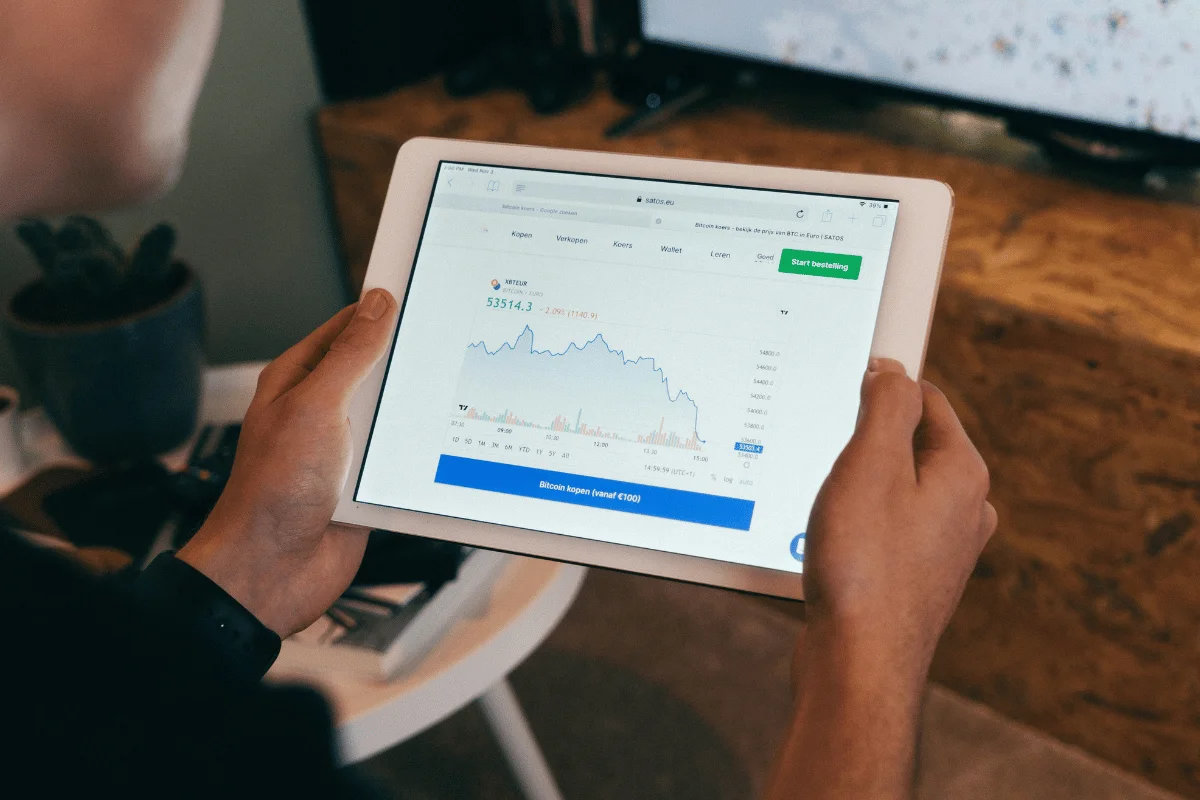
Your Keyword Rankings Have Dropped

Credit: datafeedwatch.com
A ranking drop can quickly impact your sales.
Amazon works like a search engine. Customers usually find products by searching specific keywords, and Amazon decides which listings appear first.
When your product has a strong organic rank, it receives more visibility. This usually means more clicks, and more clicks create more opportunities for sales.
However, when your rankings decline, fewer shoppers discover your product.
This is one of the biggest reasons sellers experience an Amazon drop in sales.
For example, if your product previously ranked on the first page for an important keyword but has now moved lower in search results, your traffic can decrease significantly.
A product dropping in ranking on Amazon often leads to fewer impressions, clicks, and purchases.
Why do Amazon ranking drops happen?
Your rankings may decline because of:
- Lower sales velocity compared to competitors
- Increased competition in your category
- Poor keyword relevance
- Lower conversion rates
- Negative customer feedback
- Reduced advertising performance
Amazon wants to show customers products that are most likely to satisfy them. If another product starts performing better, Amazon may give that product more visibility.
How to recover your rankings
Start by reviewing your keyword performance.
Check:
- Which keywords lost ranking positions
- Which competitors are now appearing above you
- Whether your organic traffic has decreased
- Whether your listing still matches customer searches
You should also optimize your product detail page by improving:
- Product title
- Bullet points
- Product description
- Backend keywords
- Images
If your Amazon seller ranking dropped, improving your listing relevance and increasing sales velocity can help you regain visibility.
Increased Competition

Credit: foxnews.com
Your product may not have changed, but your market has.
Sometimes sellers experience an Amazon sales drop even when their own product, listing, and advertising strategy remain unchanged.
The reason is simple.
Your competitors improved.
Amazon is constantly changing. New sellers enter the marketplace, existing sellers optimize their listings, and brands invest more in advertising.
A competitor may suddenly:
- Offer a better price
- Add improved features
- Collect more positive reviews
- Create a better product detail page
- Improve their images
- Increase PPC spending
When customers compare similar products, small differences can influence their decision.
How to stay competitive
Regular competitor analysis is essential for anyone who wants to successfully sell on Amazon.
Review the products ranking above yours and compare:
- Their pricing
- Their reviews
- Their product images
- Their offers
- Their customer feedback
Ask yourself:
“What are competitors doing better than me?”
Sometimes, the solution is not fixing a problem with your product.
The solution is improving your offer.
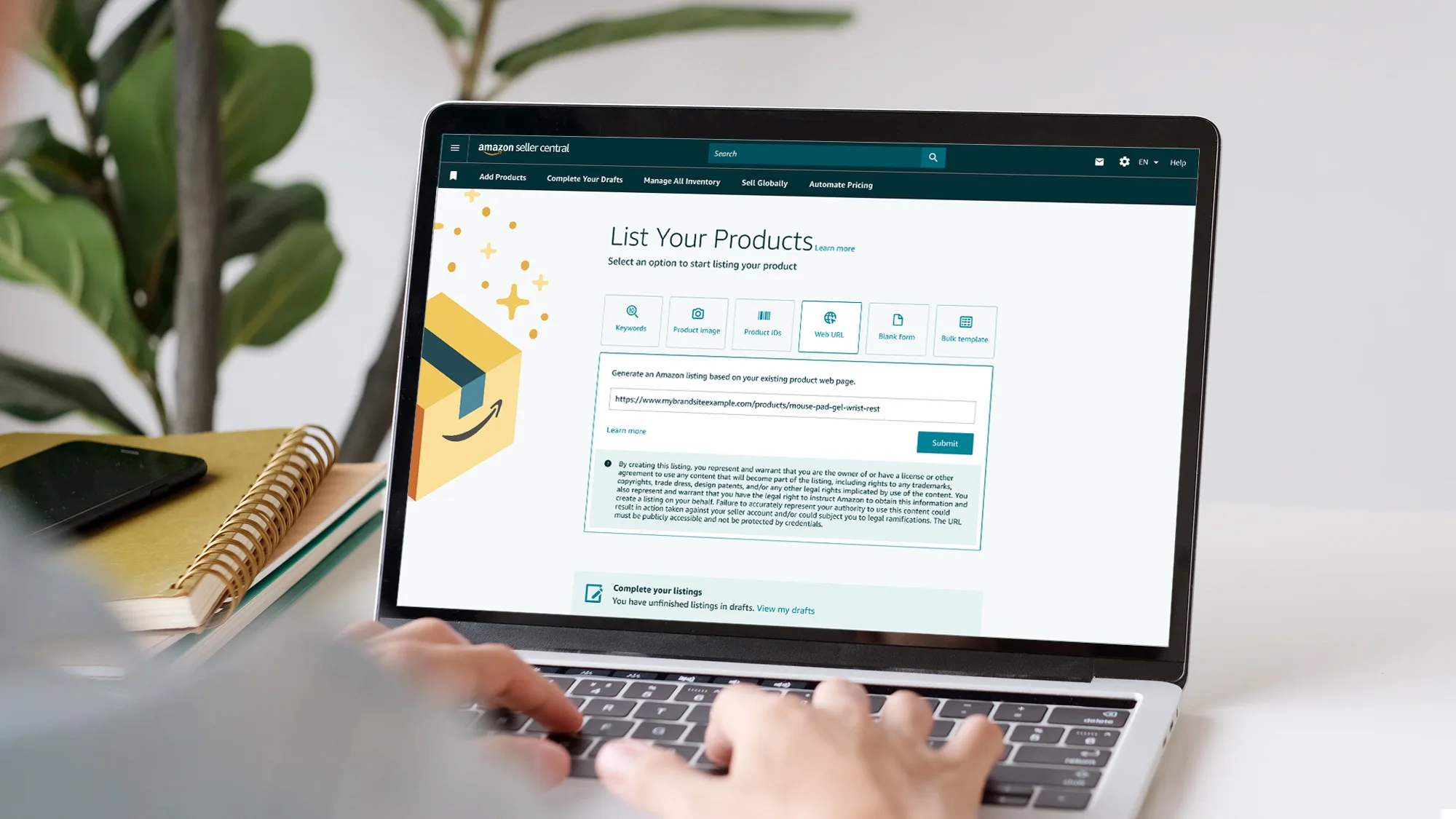
Product Listing Is Not Converting Visitors Into Buyers
Credit: aboutamazon.com
A traffic problem and a conversion problem are different.
One of the biggest mistakes Amazon sellers make is focusing only on traffic.
Getting visitors is important.
But converting those visitors into customers is what creates revenue.
Your conversion rate shows how effectively your listing turns shoppers into buyers.
If your traffic remains stable but your orders decrease, your problem may not be visibility.
Your problem may be conversion.
Why conversion rates decline
Your conversion rate may drop because:
- Your listing looks outdated
- Your competitors have stronger offers
- Your images do not explain the product clearly
- Your pricing is no longer attractive
- Your reviews have declined
Customer expectations change over time.
A product page that performed well in the past may not perform the same today.
How to improve your conversion rate
Review your listing from a customer’s perspective.
Ask yourself:
“Does this page give shoppers enough confidence to buy?”
Improve:
- Product benefits
- Product descriptions
- Customer FAQs
- Images
- A+ Content
Your listing should not only explain what the product is.
It should explain why customers should choose it.
Your Product Images Are Not Competitive Enough
Credit: feedvisor.com
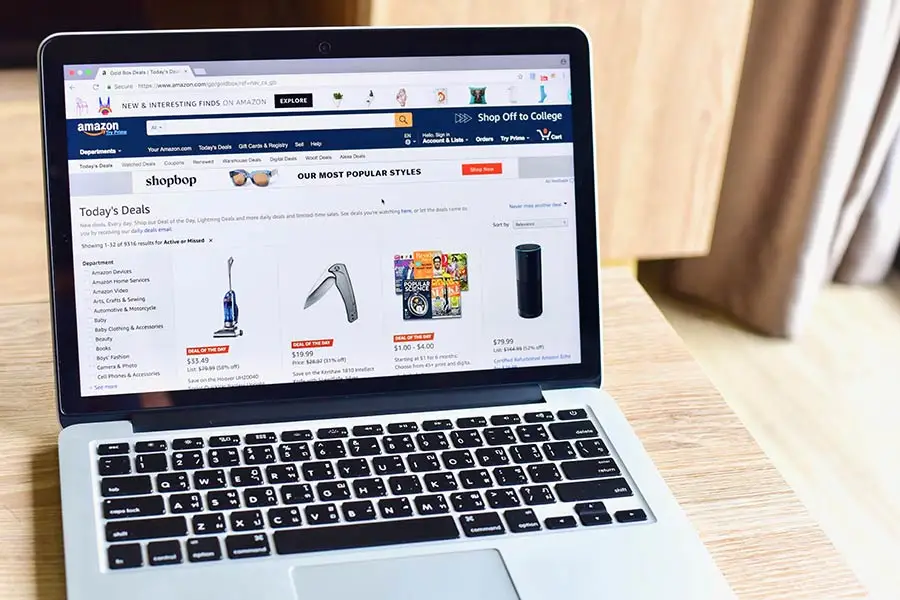
Customers make decisions visually.
On Amazon, customers cannot physically examine your product before buying.
They rely heavily on your images.
A quality image can immediately communicate professionalism, value, and trust.
Poor images can create uncertainty.
Customers may wonder:
- How big is the product?
- How does it work?
- What makes it different?
- Is it worth the price?
If your competitors have better visuals, customers may choose them even if your product quality is similar.
How to improve your product images
Your listing should include:
- A clear main image
- Lifestyle images
- Product usage examples
- Feature explanations
- Size comparisons
Your images should answer customer questions before they leave your page. When shoppers can clearly understand your product through visuals, they are more likely to trust your listing and make a purchase. This is why our professional Amazon product photography services can help you. We create images that capture attention and improve your overall listing performance.
Your Reviews and Ratings Have Changed
Credit: searchenginejournal.com
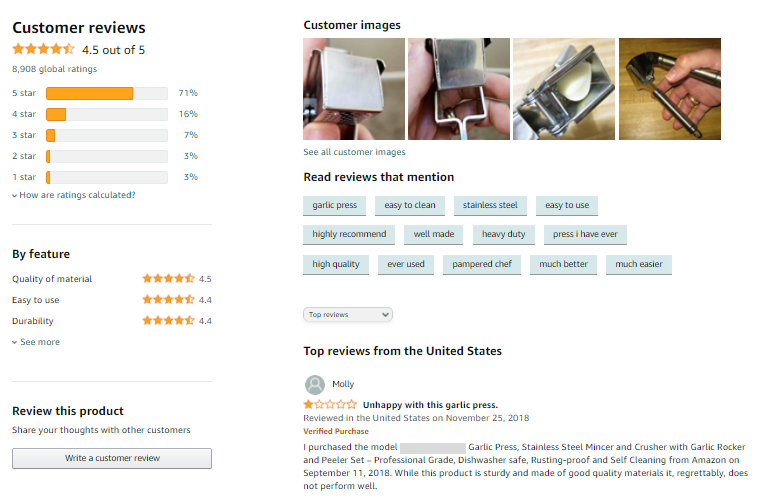
Customer trust directly affects sales.
Reviews are one of the strongest factors influencing Amazon purchases.
Customers trust other buyers. Before making a decision, many shoppers check ratings and reviews.
A decline in your rating can create hesitation.
Even a small decrease can impact your sales when customers compare multiple products.
Why review problems happen
Negative reviews may appear because of:
- Product quality issues
- Incorrect customer expectations
- Packaging problems
- Poor instructions
- Delivery concerns
How to fix review-related sales problems
Do not focus only on getting more reviews.
Focus on improving the customer experience.
Read your negative reviews carefully.
Look for patterns.
If customers repeatedly mention the same issue, that problem needs attention.
Improving your product quality is the best long-term review strategy.
Your Pricing Strategy Is Affecting Your Sales
Credit: blog.informedrepricer.com
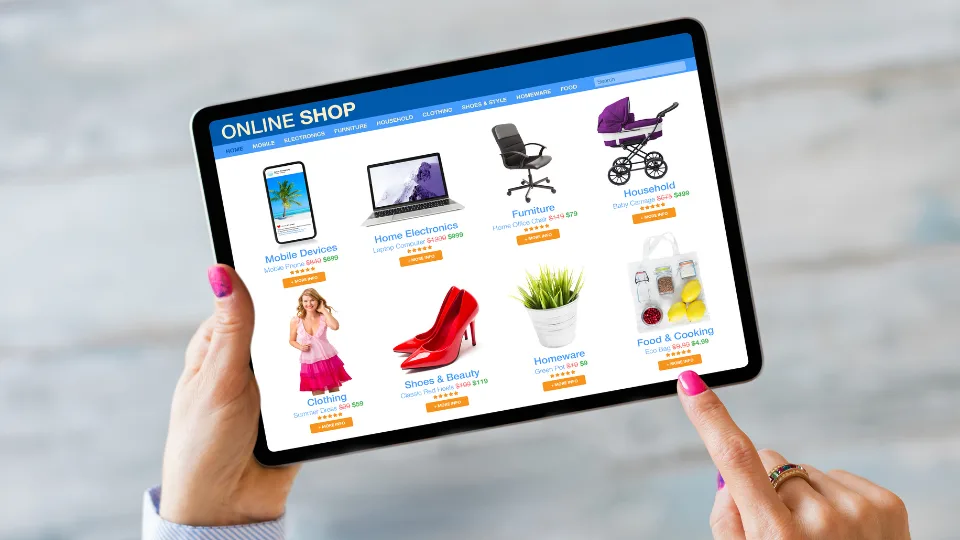
Customers compare value, not just products.
Pricing plays an important role in Amazon purchasing decisions.
If competitors lower their prices or offer better deals, customers may move toward their listings.
This can create a situation where Amazon sales drop.
However, lowering your price immediately is not always the right answer.
A lower price does not always mean more sales.
Customers also consider:
- Reviews
- Brand trust
- Product quality
- Features
- Overall value
How to improve your pricing strategy
Consider:
- Testing coupons
- Creating bundles
- Offering promotions
- Improving your product positioning
The goal is to create better value, not simply become the cheapest seller.
Your PPC Campaign Performance Has Declined

Credit: headlinema.com
Advertising issues can create sudden sales problems.
Many Amazon sellers depend on PPC campaigns to generate traffic.
When advertising performance decreases, sales can also decline.
Common PPC problems include:
- Rising advertising costs
- Poor keyword targeting
- Increased competition
- Low conversion rates
Some sellers respond by increasing their budget.
However, more advertising does not fix every problem.
If your listing does not convert, you may simply spend more money without getting better results.
How to improve PPC performance
Review your campaigns regularly.
Analyze:
- Search terms
- Click-through rates
- Conversion rates
- Advertising costs
- Keyword performance
Remove keywords that waste money.
Focus your budget on profitable opportunities.
Running Out of Stock Has Hurt Your Ranking
Credit: repricerexpress.com
Inventory problems can create long-term damage.
Many sellers underestimate the impact of inventory issues.
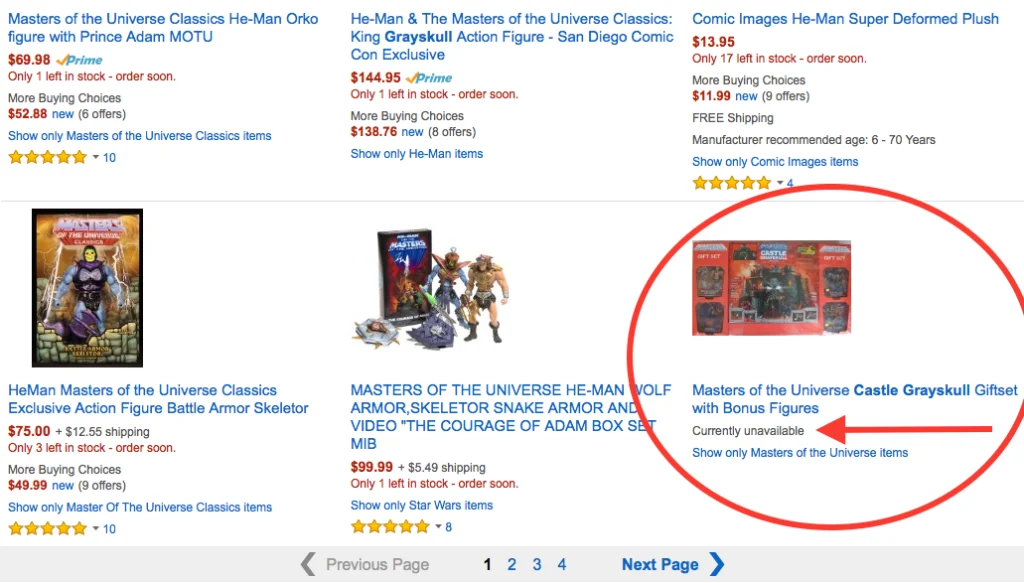
When your product is unavailable, customers cannot purchase it. They move to competitors instead. This creates lost sales and can weaken your ranking performance.
Running out of stock can also affect customer trust if buyers repeatedly see your product unavailable.
How to prevent
Monitor:
- Sales trends
- Inventory levels
- Supplier timelines
- Seasonal demand
Avoid waiting until your inventory is almost finished.
Good inventory planning protects your rankings.
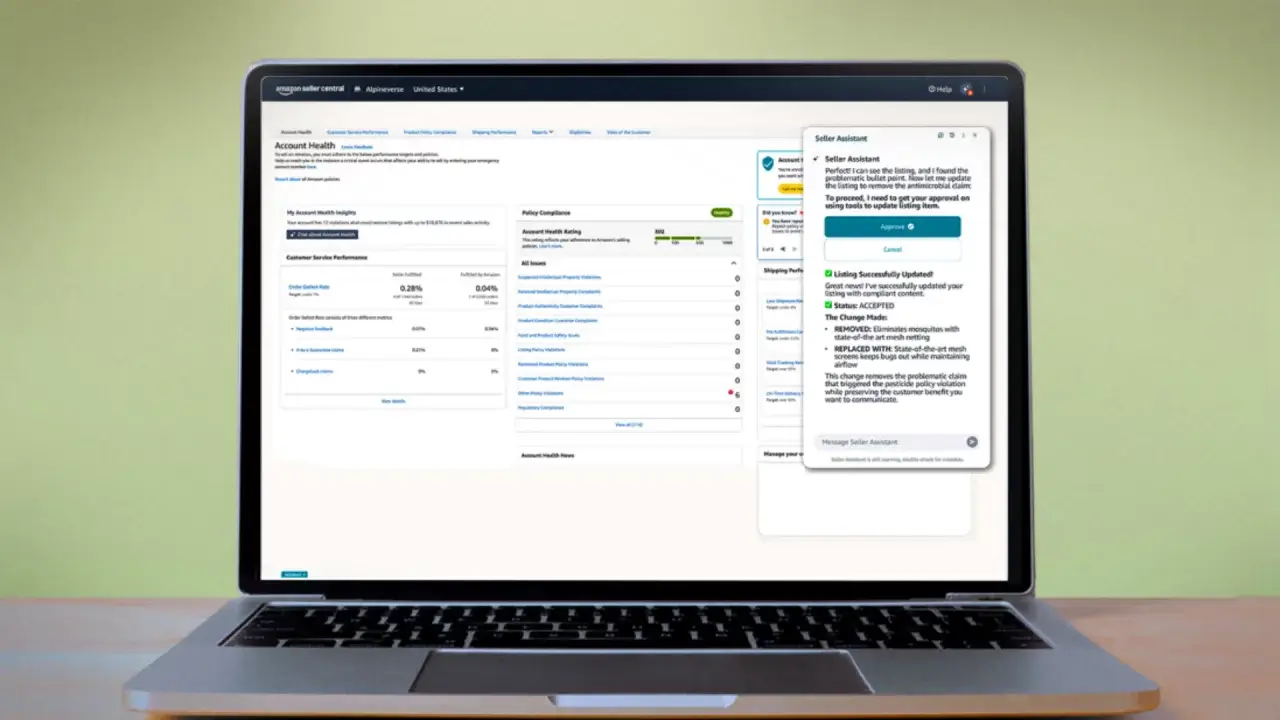
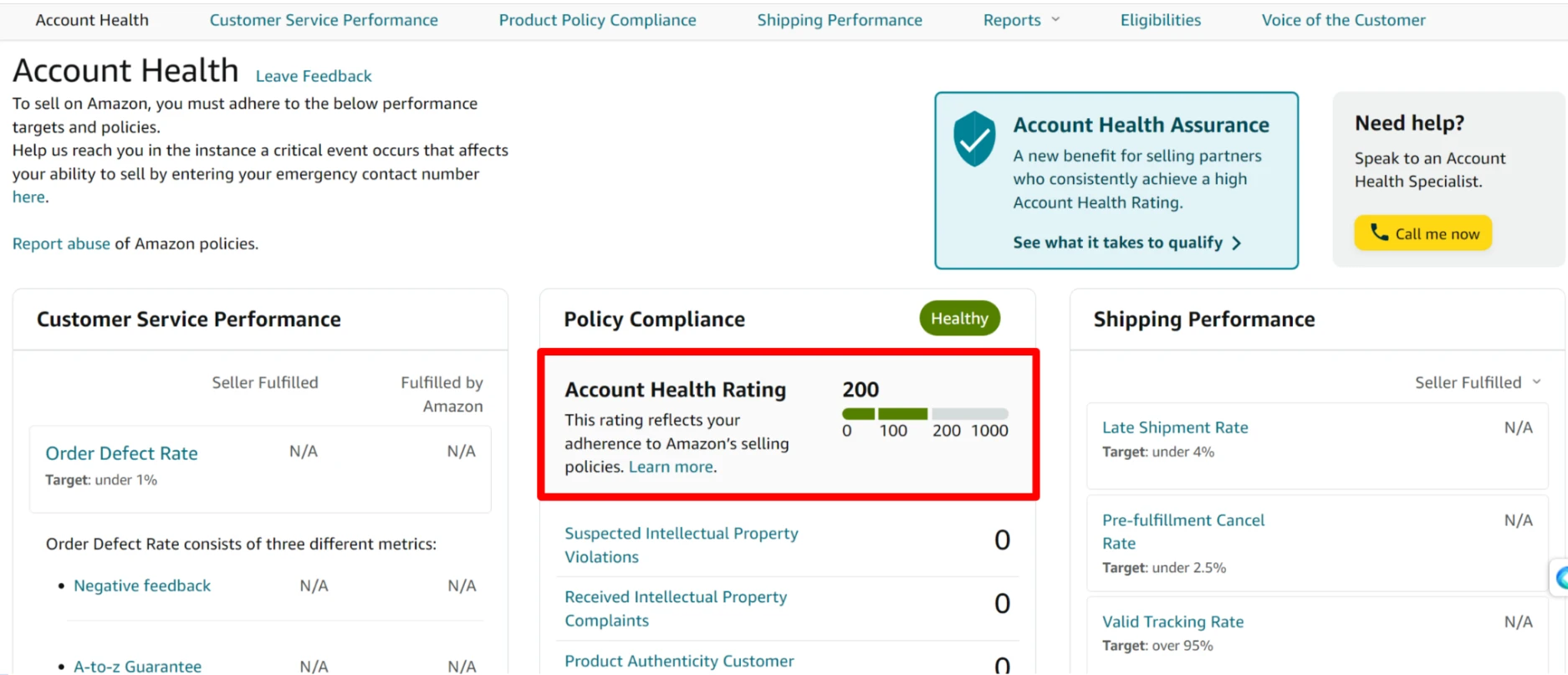
Your Account Health or Listing Has Issues
Credit: `shopkeeper.com
Technical problems can reduce visibility.
Sometimes, your product is performing well, but Amazon-related issues create problems.
Your sales may decline because of:
- Listing suppression
- Policy warnings
- Variation errors
- Account restrictions
- Missing product information
How to fix
Regularly review:
- Account Health dashboard
- Seller Central notifications
- Listing status
- Performance alerts
Quick action can prevent small problems from becoming major revenue losses.
Customer Demand Has Changed
Credit: cnbc.com
Not every sales decline is caused by a mistake.
Sometimes, sellers experience a sudden drop in sales because customer demand changes.
Markets, trends, and buying behavior change.
Some products naturally experience seasonal fluctuations.
Before making major decisions, review your long-term data.
Your business reports can help you compare:
- Current sales
- Previous months
- Previous years
- Seasonal patterns
Understanding demand changes helps you avoid unnecessary changes.
How to Find the Real Reason Behind Your Sales Drop
When your sales decline, avoid guessing.
Use a structured approach.
First, check your traffic.
If fewer customers are visiting your listing, investigate:
- Keyword rankings
- Organic traffic
- PPC performance
Next, check your conversion rate.
If customers are visiting but not purchasing, review:
- Listing quality
- Pricing
- Reviews
- Product images
Finally, check operational issues.
Review:
- Inventory
- Account Health
- Product availability
- Customer feedback
The goal is to identify the first point where performance changed.
Final Remarks
An Amazon sales drop does not mean your business is failing. Every successful Amazon seller experiences challenges. Rankings change, competitors improve, and customer expectations increase.
The difference between struggling sellers and successful sellers is how they respond.
Instead of making random changes, analyze your data. Understand why sales decreased. Fix the actual problem.
By improving your listing, protecting your ranking, managing inventory, optimizing PPC, and monitoring customer feedback, you can recover from a decline and build a stronger Amazon business.
Frequently Asked Questions
Let’s answer some of the most common questions sellers ask when sales start falling.
Why did my Amazon sales drop suddenly?
A sudden drop in Amazon sales can happen because of ranking changes, increased competition, lower conversion rates, PPC problems, inventory issues, or changes in customer demand.
Are Amazon sales down because of algorithm changes?
Algorithm changes can affect visibility, but they are usually not the only reason behind a decline. Sellers should also review rankings, listings, competition, and account performance.
How do I know if my Amazon seller ranking dropped?
You can check keyword rankings, organic traffic, and business reports in Seller Central to identify whether your product visibility has decreased.
Can running out of stock cause an Amazon sales drop?
Yes. Running out of stock can reduce sales momentum, impact visibility, and make it harder to recover your previous ranking.
How can I prevent my Amazon rankings from dropping?
To maintain rankings, focus on consistent sales, strong customer reviews, optimized listings, inventory planning, and effective advertising management.