A successful Amazon listing can take weeks to build. The right keywords, high-quality images, optimized descriptions, and positive buyer feedback. But one policy mistake can undo all that work. A misleading claim, incorrect product detail, duplicate listing issue, or non-compliant image can trigger Amazon listing policy violations and affect your product visibility, seller performance, and account health. Many sellers discover these problems only after their listings are suppressed or their sales begin dropping. This guide explains the most common listing policy violations Amazon sellers face, why they happen, and the steps you can take to fix and prevent them.
What Are Amazon Listing Policy Violations?
Credit: seller-union.com
Amazon policy violations happen when a product listing audit does not follow Amazon’s selling guidelines, listing requirements, and marketplace rules. These rules exist to protect customers. They also help create a fair marketplace for sellers. Amazon reviews listings based on several factors, including:
- Product accuracy
- Customer safety
- Content quality
- Intellectual property rights
- Product category requirements
- Advertising and review policies
A violation does not always mean a seller did something intentionally wrong. Sometimes, sellers make mistakes because Amazon’s rules are detailed. A small change in wording can create a compliance issue. For example, a seller may write: “Best pain relief product available.” This sounds like a strong selling point. However, it can create problems because it makes an unsupported claim. Amazon expects sellers to provide clear and factual information. Common consequences of listing violations include:
- Listing suppression
- Reduced visibility
- ASIN removal
- Warning notifications
- Account health problems
- Seller account suspension in serious cases
The faster you identify the problem, the easier it is to fix.
Common Amazon Listing Policy Violations Sellers Make
Many sellers focus heavily on getting traffic. They optimize keywords, run ads, and improve conversions. However, a listing must first follow Amazon’s rules. Here are the most common mistakes sellers make.
Using Misleading Product Information
Credit: /ecommercenurse.com
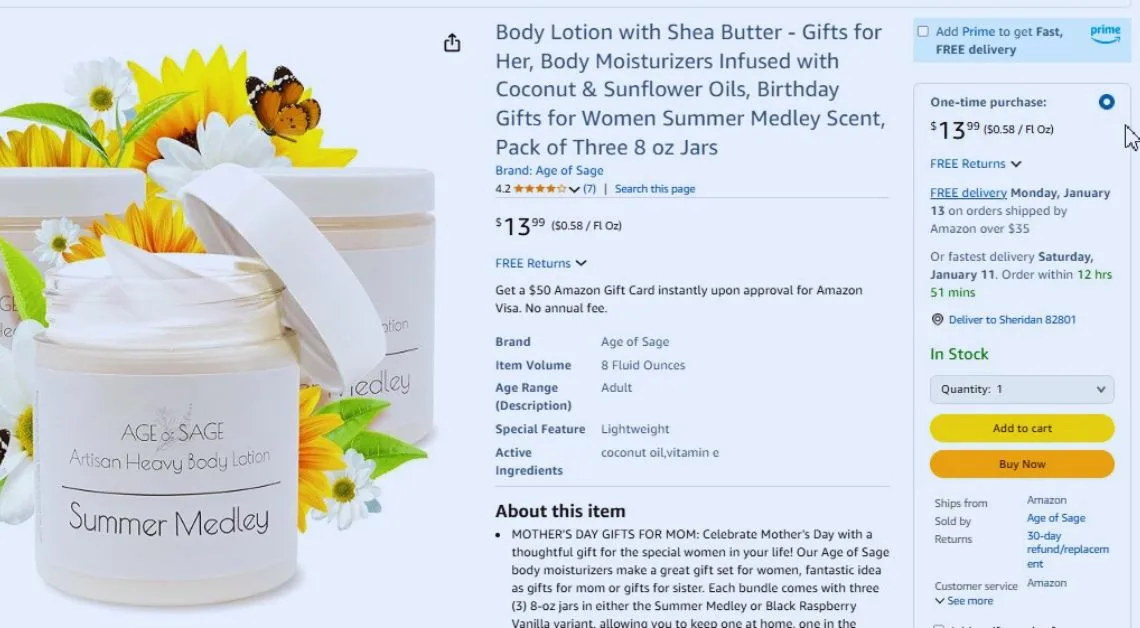
Your listing should describe exactly what customers receive. Amazon does not allow exaggerated or false information. Common examples include:
- Unrealistic product claims
- Incorrect specifications
- False guarantees
- Misleading benefits
For example, saying “Lose 10 pounds in one week.” This is a risky claim. A better approach is explaining product features without promising unrealistic results.
Keyword Stuffing and Using Irrelevant Keywords
Keywords help customers find products. But using too many keywords can hurt your listing. Some sellers add unrelated search terms to increase visibility. This creates a poor customer experience. Use keywords naturally in:
- Product titles
- Bullet points
- Product descriptions
- Backend search terms
A well-written listing usually performs better than a keyword-filled one because effective listing optimization focuses on relevance, accuracy, and customer experience.
Creating Non-Compliant Product Titles
Credit: myamazonguy.com
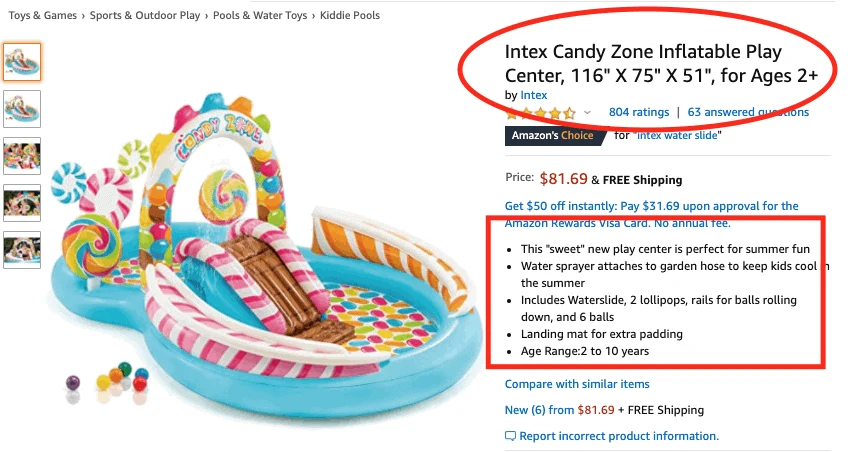
Your title is one of the first things customers see. It also helps Amazon understand your product. Common title mistakes include:
- Adding promotional phrases
- Using unnecessary symbols
- Writing everything in capital letters
- Adding unsupported claims
- Including irrelevant keywords
A strong title should quickly explain:
- What the product is
- Brand name
- Important features
- Size or quantity
The goal is clarity. Not keyword overload.
Uploading Poor or Invalid Product Images
Images influence buying decisions. They also affect listing approval. Amazon has specific image requirements because customers need accurate product visuals. Common image-related violations include:
- Watermarks
- Blurry photos
- Incorrect product images
- Misleading graphics
- Promotional text on images
Your main image should clearly show the product. Additional images can explain features, usage, and benefits. The customer should know exactly what they are buying.
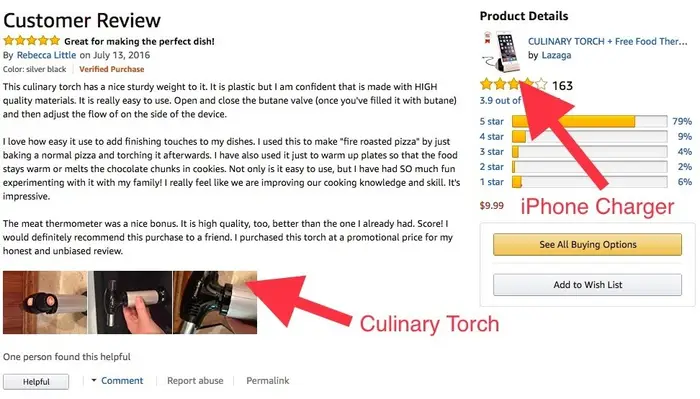
Manipulating Product Reviews
Credit: buzzfeednews.com
Reviews are important on Amazon. They build trust and influence purchases. Because of this, Amazon takes review manipulation seriously.
Examples include:
- Buying fake reviews
- Offering rewards for positive reviews
- Asking friends or family for reviews
- Removing negative feedback unfairly
A few fake reviews may seem helpful. But they can create long-term damage. Amazon wants genuine customer opinions. The best way to earn reviews is through great products and customer service.
Violating Intellectual Property Rights
Many sellers face problems because they use content or branding that belongs to someone else. Common intellectual property issues include:
- Using another brand’s trademark
- Copying competitor images
- Copying product descriptions
- Selling counterfeit products
Even accidental misuse can create problems. Before creating a listing, check that your content is original.
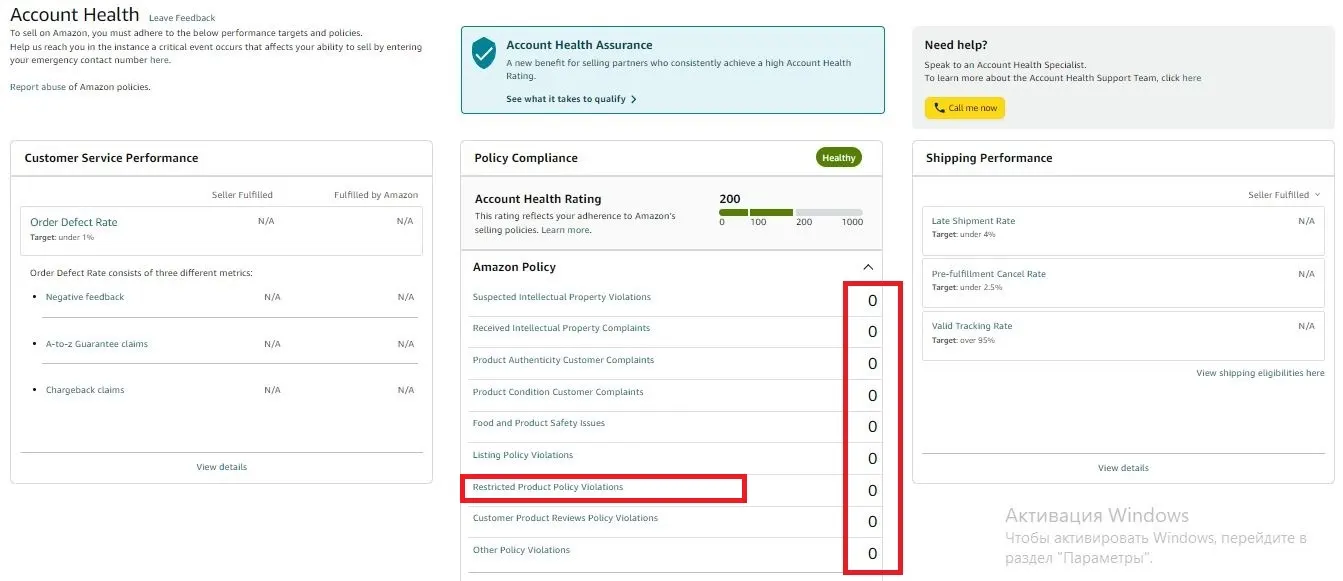
Selling Restricted or Banned Products
Credit: sellerassistant.app
Some products require extra approval before selling. Others need specific documents or certifications. Examples include:
- Certain health products
- Beauty products
- Food items
- Electronics
- Safety-related products
Selling restricted or banned products without proper compliance can lead to listing removal and other policy enforcement actions. Always check category requirements before launching a product.
Why Does Amazon Suppress Listings?
Listing suppression happens when Amazon hides a product from search results. The listing may still exist; however, customers may not be able to find it. Amazon usually suppresses listings when they do not meet customer experience standards. Common reasons include:
- Missing product information
- Incorrect images
- Poor titles
- Missing attributes
- Wrong categories
- Policy violations
Many sellers panic when this happens. But suppression is often Amazon’s way of asking for corrections. It is not always a permanent penalty.
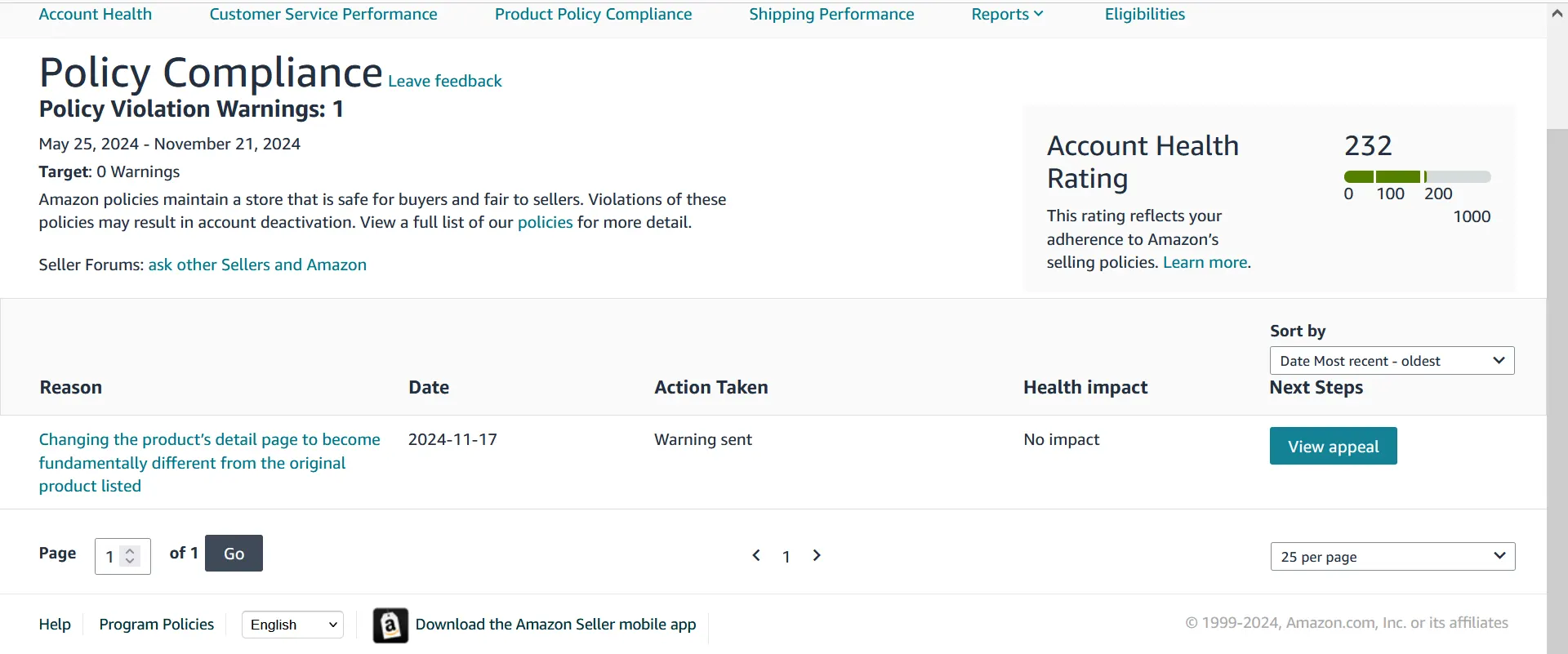
How to Fix Amazon Listing Policy Violations
Credit: sellercentral.amazon.com
Fixing a violation starts with understanding the problem. Do not make random changes. Follow these steps.
Review Amazon’s Notification
Amazon usually explains:
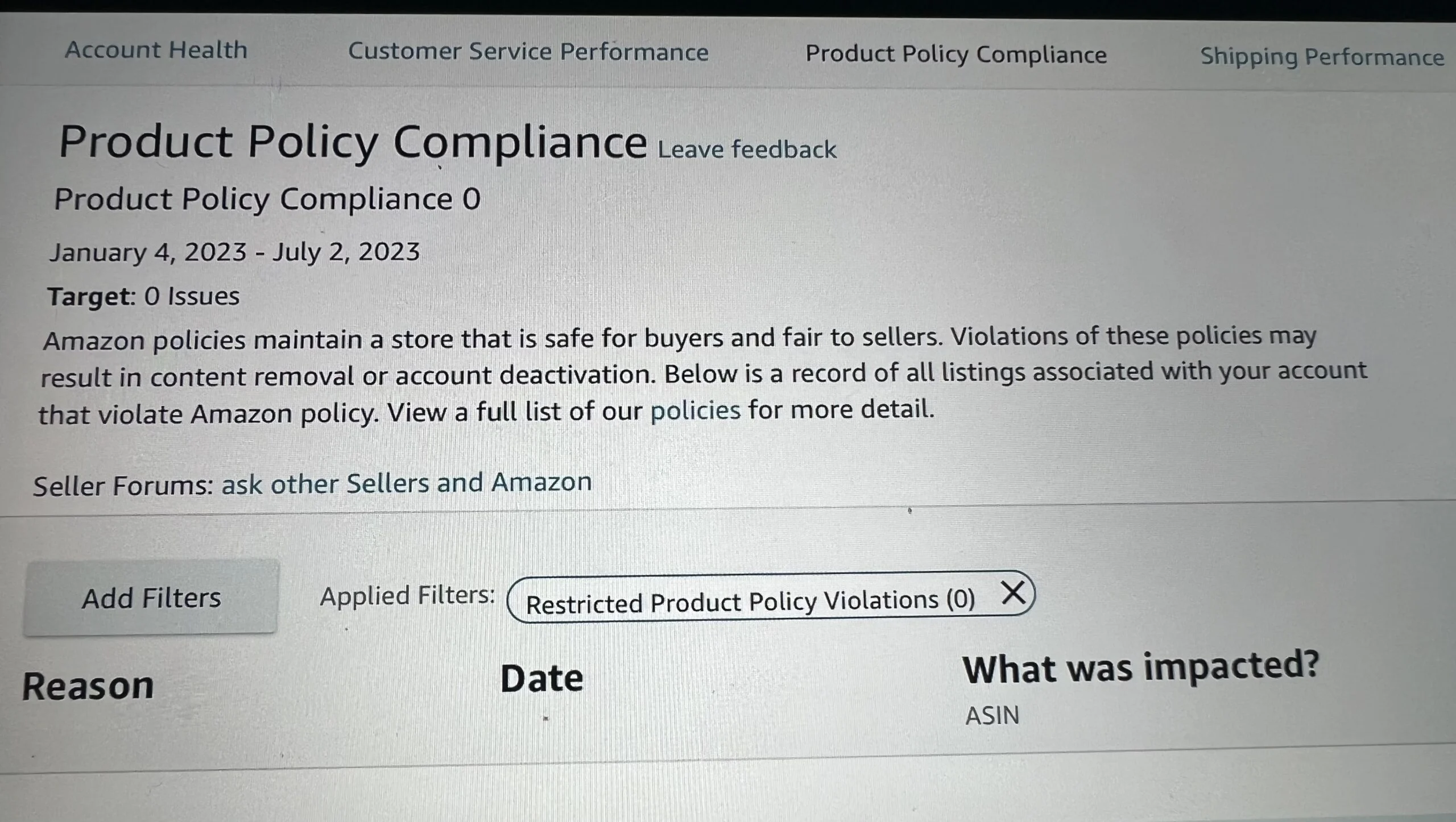
- The affected ASIN
- The policy issue
- Required action
Read the message carefully. The solution is often hidden in the details.
Identify the Exact Problem
Find what caused the violation. Was it:
- The title?
- Images?
- Description?
- Category?
- Product claims?
Fixing the wrong thing wastes time.
Update Your Listing Content
Make necessary corrections. Review:
- Product title
- Bullet points
- Images
- Description
- Product details
- Keywords
Keep information accurate and customer-focused.
Submit an Appeal When Necessary
Some violations require an appeal. A strong appeal should include:
Root Cause
Explain why the issue happened.
Corrective Action
Explain what you changed.
Prevention Plan
Explain how you will avoid future problems. Amazon wants solutions, not excuses, especially when reviewing appeals related to listing policy violations Amazon sellers face. Not excuses.
How Sellers Can Prevent Amazon Listing Policy Violations

Credit: ecomlift.co.uk
Prevention is easier than recovery. Here are some simple practices.
Review Listings Regularly
Amazon updates policies frequently. Your old listing may not meet new requirements.
Keep Product Information Accurate
Never guess product details. Verify everything before publishing.
Monitor Account Health
Check Seller Central regularly. Do not ignore warnings.
Train Your Team
Everyone managing listings should understand Amazon policies. One careless edit can create problems.
Follow Category Requirements
Different categories have different rules. Research before launching products.
Common Mistakes Sellers Make After Receiving a Violation
Getting a violation notification can be stressful. However, the wrong response can make things worse. Here are common mistakes.
Ignoring Amazon Messages
Some sellers delay action. This can increase the risk of bigger issues.
Making Too Many Changes
Changing everything at once makes it difficult to identify the real problem. Fix the specific issue first.
Sending Weak Appeals
A simple message saying “I fixed it” is usually not enough. Amazon needs details. Explain what happened and what you changed.
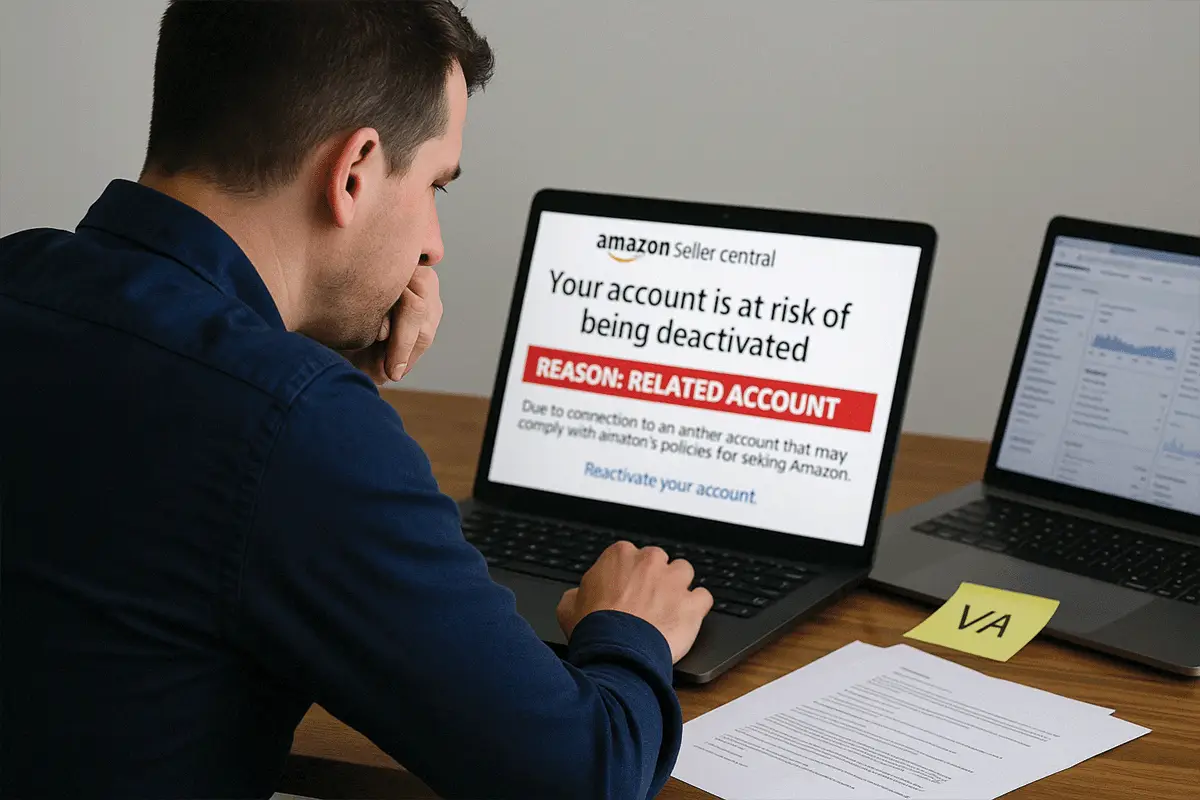
Amazon Listing Policy Violations vs Account Suspension
Credit: amazonsellerslawyer.com
Many sellers confuse these two issues. They are different.
Listing Policy Violation
This usually affects a specific product. Examples:
- Incorrect images
- Wrong information
- Missing details
The solution is often updating the listing.
Account Suspension
This affects your entire seller account. It usually happens because of serious or repeated violations. Examples:
- Selling counterfeit products
- Manipulating reviews
- Ignoring repeated warnings
Account suspension requires a stronger recovery process.
Ending Remarks
Amazon success is not only about creating attractive listings. It is about creating trustworthy listings. A product page should help customers make confident decisions. That means accurate information, compliant images, and honest claims. Amazon listing policy violations can affect sales and account health. But most problems can be avoided with regular monitoring and careful listing management. The sellers who succeed on Amazon are not only the ones who sell more. They are the ones who protect their reputation.
Frequently Asked Questions
From listing errors to account risks, these FAQs break down what sellers need to know about staying compliant on Amazon.
What are Amazon listing policy violations?
Amazon policy violations happen when a product listing breaks selling rules. These violations can involve content, images, keywords, product claims, or compliance issues.
Can Amazon remove a listing because of policy violations?
Yes. Amazon can suppress or remove listings that do not meet marketplace requirements.
How do I fix an Amazon listing violation?
First, identify the exact issue. Then update the listing information, remove the violation, and submit an appeal if required.
Can listing violations suspend my Amazon account?
Yes. Serious or repeated violations can damage account health and may lead to suspension.
How can I avoid Amazon listing policy violations?
Keep your listings accurate, follow Amazon guidelines, monitor account health, review product pages regularly, and respond quickly to any guideline violations.
Additional Note
If you find a product page that appears to break Amazon rules, sellers can learn how to report a listing not complying with Amazon policy through Amazon’s reporting processes. This helps maintain a safer marketplace for customers and legitimate sellers.