









Most Amazon sellers know how to create a product listing. They know how to run ads and manage inventory. But there is one skill many sellers overlook. Handling Amazon cases. A single unresolved case can affect your sales, account health, and business operations. The mistake many sellers make is treating every case like a simple support request. It is not. An Amazon case requires strategy, accurate information, and consistent follow-up. This is why understanding Amazon case management is important for every serious seller.
What Is Amazon Case Management?

Amazon case management is the process of creating, managing, tracking, and resolving seller issues through Amazon Seller Central.
Whenever a seller contacts Amazon customer support, a case is created.
This case becomes a record of the problem. It includes your communication with Amazon representatives.
It also stores updates, responses, and solutions. Sellers use Amazon cases for different situations, including:
- Listing problems
- Account health warnings
- FBA inventory issues
- Payment concerns
- Product compliance problems
- Policy-related questions
However, creating a case is only the beginning. The way you manage that case affects how quickly Amazon responds. Many sellers submit unclear messages.
For example:
“My listing is down. Please fix it.”
This does not give Amazon enough information.
A stronger case includes:
- ASIN details
- Seller account information
- The exact issue
- Previous actions taken
- Supporting documents
Amazon receives thousands of requests every day. Clear communication helps support teams understand your problem faster. Some sellers also use professional Amazon case management services when they face complicated problems.
These services help sellers organize cases, prepare documentation, and manage communication with Amazon.
Why Amazon Cases Take So Long To Resolve
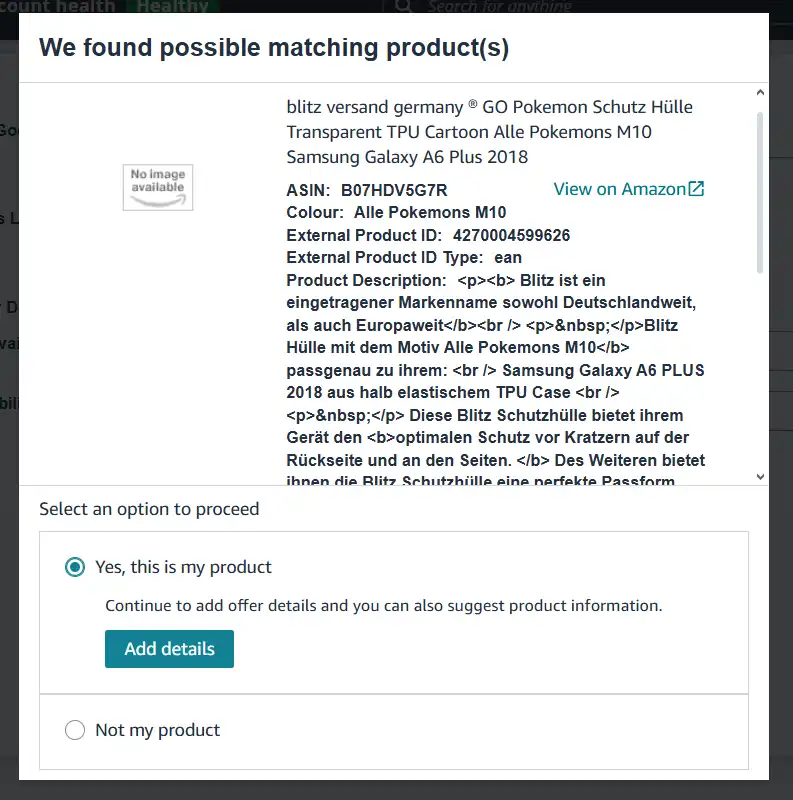
There are several reasons behind delays.
Incomplete Information
One common reason is missing information. Amazon support teams need details before investigating an issue. If your case lacks important information, you may receive a basic response asking for more details.
For example:
- A listing problem may require ASIN information.
- Compliance issues may require certificates.
- An inventory problem may require shipment records.
Providing complete information from the beginning saves time.
Choosing the Wrong Case Category
Amazon uses different support channels for different problems. Choosing the wrong category can delay your request. Your case may reach the wrong team.
For example:
A product compliance issue needs a different approach than a simple listing update.
Understanding the right category improves your chances of faster resolution.
Poor Follow-Up Strategy
Follow-up is an important part of case tracking. However, many sellers handle follow-ups incorrectly. Some sellers open multiple cases for the same issue. Others keep sending repeated messages without adding useful information. This creates confusion, so a better approach is to maintain one clear conversation.
- Track your case ID.
- Review Amazon responses.
- Provide additional information when needed.
- Using proper tracking methods helps maintain an organized process.
Lack of Policy Understanding
Amazon decisions are based on policies. A seller response should address those policies. Simply explaining frustration is not enough. You need to show Amazon that you understand the issue.
You also need to explain how your solution meets Amazon requirements.
Common Amazon Issues That Require Case Management
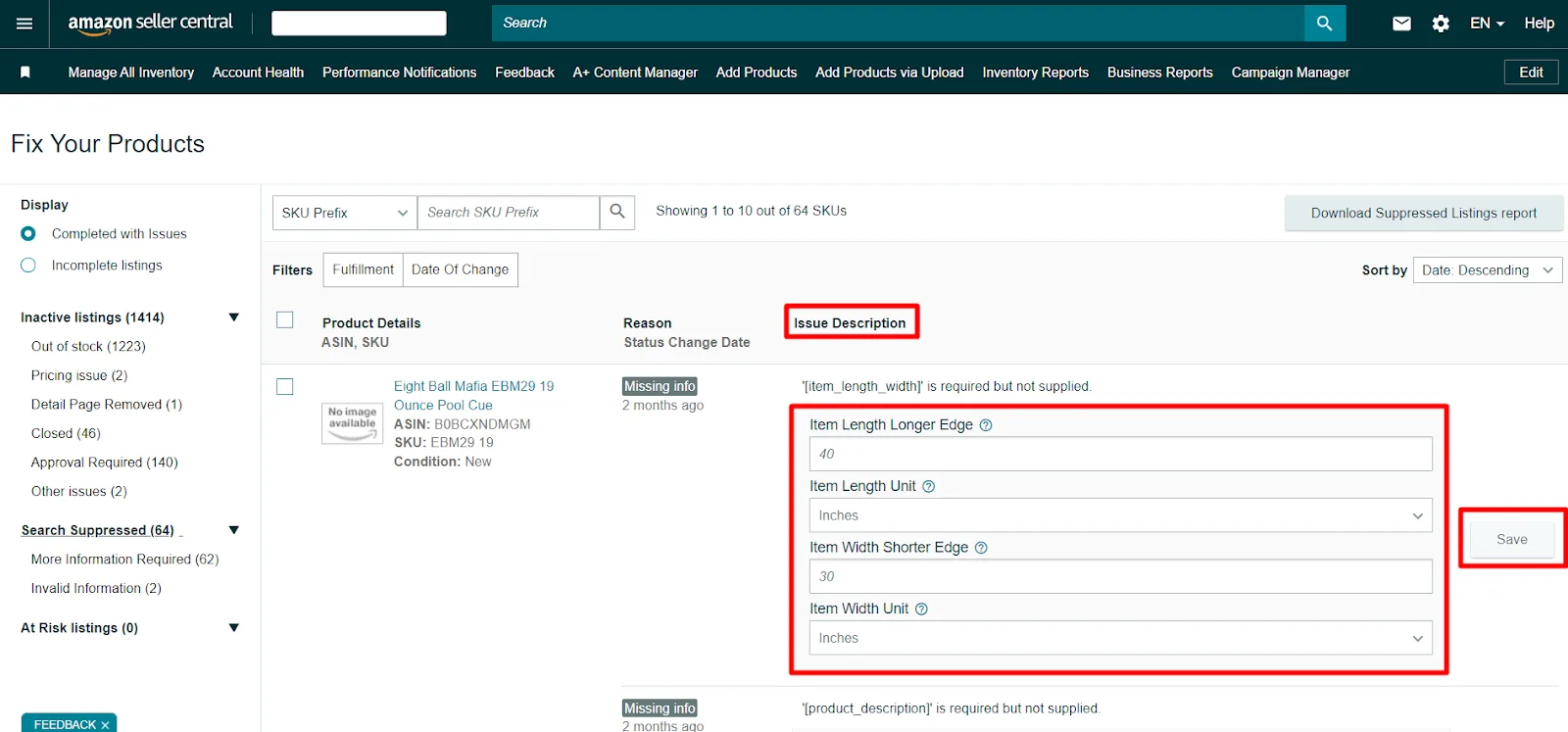
Amazon sellers experience different challenges every day. Some problems need immediate attention because they affect sales.
Here are common situations where proper case management helps.
Listing Suppression Issues
A suppressed listing means customers cannot view or purchase your product.
This can happen because of:
- Missing product details
- Incorrect categories
- Image problems
- Policy concerns
- Compliance issues
A successful case should explain why the listing was affected.
It should also provide evidence that the issue has been fixed.
Account Health Problems
Account health issues can create serious concerns for sellers.
Examples include:
- Policy violations
- Performance warnings
- Order-related problems
- Suspension risks
These cases require careful communication. A weak response may not solve the problem.
Sellers often need a clear action plan.
FBA Inventory Problems
It makes fulfillment easier. However, inventory problems can still happen.
Common examples include:
- Missing inventory
- Damaged products
- Incorrect stock counts
- Reimbursement issues
These cases require proper documentation.
Shipment records and inventory reports can support your request.
Product Compliance Issues
Amazon compliance cases require special attention.
Amazon compliance case management focuses on handling issues related to product requirements, documentation, and policy standards.
These cases may involve:
- Safety documents
- Testing reports
- Product certificates
- Approval paperwork
Amazon needs proof, not just explanations.
How Sellers Can Improve Their Case Management Process
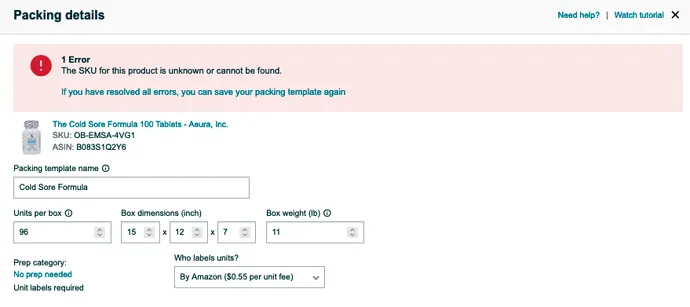
A better process creates better results. Here are practical steps sellers can follow.
Understand the Problem First
Do not immediately create a case. First, investigate and ask yourself:
- What exactly happened?
- What caused this issue?
- What does Amazon need from me?
Understanding the problem helps you create a stronger case.
Prepare Complete Information
Before contacting Amazon, collect everything.
This may include:
- ASIN
- SKU
- Order details
- Screenshots
- Error messages
- Previous communication
- Supporting documents
A complete case reduces unnecessary delays.
Write Clear Case Messages
Your message should be simple. Avoid unnecessary explanations and focus on facts.
A good structure includes:
- Problem: Explain what happened.
- Details: Provide important information.
- Request: Explain what action you need.
For example:
“My ASIN has been restricted due to a compliance concern. I have attached the requested documents. Please review and advise if additional information is required.”
Clear communication improves customer support interactions.
Track Every Case Properly
Managing multiple seller issues requires organization. Many sellers use management software or internal tracking systems to record case information.
Important details include:
- Case number
- Date submitted
- Amazon response
- Pending actions
Proper tracking prevents repeated mistakes. It also makes future communication easier.
Should Sellers Handle Amazon Case Management Themselves?
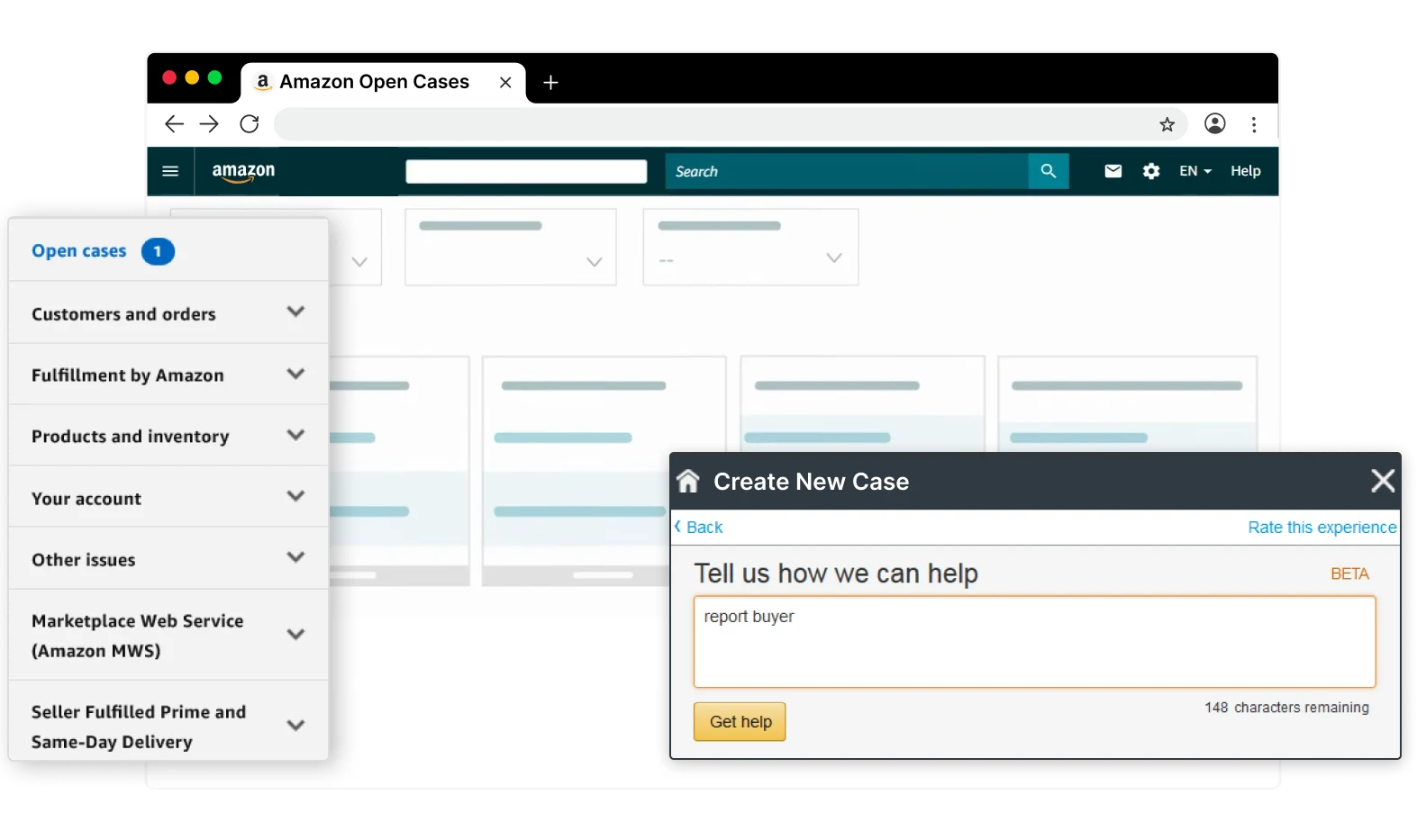
The answer depends on the situation. Simple problems can often be handled by sellers.
Examples:
- Basic listing updates
- General questions
- Simple account concerns
However, complicated cases can become difficult.
Professional support may help when:
- Your account is at risk
- Sales are affected
- Amazon rejects your responses
- Documentation is complicated
- Multiple issues happen together
An experienced Amazon case manager understands Amazon processes. They know how to organize information and communicate effectively.
They also understand when escalation may be necessary.
How Professional Amazon Case Services Help Sellers
Managing Amazon cases requires time and experience.
Professional management services for Amazon help sellers handle difficult situations more efficiently.
Here is how they provide value.
Better Case Strategy
Experts understand Amazon workflows. They know how to approach different issues and help sellers create organized responses.
Stronger Documentation
Many cases fail because sellers submit incomplete information.
Professional support helps prepare:
- Reports
- Screenshots
- Compliance files
- Performance records
Good documentation strengthens your position.
Continuous Monitoring
Some Amazon problems require multiple follow-ups. Monitoring tools can help track progress. They allow sellers to review updates and identify pending actions. Consistent monitoring reduces the chance of forgotten cases.
Better Analysis of Problems
Successful sellers learn from previous issues. Metrics analysis helps identify patterns.
For example:
- Repeated listing problems may indicate content issues.
- Frequent compliance warnings may show documentation gaps.
- Understanding these patterns helps prevent future problems.
Multi-Channel Support
Large Amazon businesses often manage different communication channels. Multi-channel support helps sellers organize customer and marketplace communication.
This creates a smoother workflow.
Amazon Case Management Best Practices
Small improvements can create better results. Follow these best practices:
Keep Messages Short
Amazon support teams handle many cases. Make your message easy to understand.
Stay Professional
Avoid emotional responses. Focus on facts and solutions.
Avoid Duplicate Cases
Multiple cases can slow down the process. Keep communication organized.
Save Successful Solutions
Previous solutions can help with future problems. Maintain records of resolved cases.
Final Remarks
Amazon selling is rewarding. But it also comes with challenges. Listings can disappear, policies can change, and account issues can appear unexpectedly.
The difference between struggling sellers and successful sellers is how they handle these situations.
It is about managing cases correctly. Clear communication, proper documentation, and consistent follow-ups.
These steps help sellers resolve problems faster. It helps reduce downtime and stay focused on growth.
Need support with Amazon account issues or case management? Contact our team today to get expert assistance and keep your business moving forward.
Frequently Asked Questions
Here are the key things sellers should know before handling their next Amazon support case.
What is Amazon case management?
Amazon case management is the process of creating, tracking, and resolving seller issues through Amazon support.
How can sellers resolve Amazon cases faster?
Sellers can improve resolution speed by providing complete information, choosing the right category, and following up properly.
When should I use Amazon case management services?
Professional services are useful when cases involve account risks, compliance problems, or repeated Amazon rejections.
What does an Amazon case manager do?
An Amazon case manager helps organize seller issues, prepare responses, track cases, and communicate with Amazon support.
Why do Amazon cases get rejected?
Cases are often rejected because of incomplete information, missing documents, unclear explanations, or failure to address Amazon policies.