





Lower the budget. Lower the ACoS. Problem solved? Not really. If we cut Amazon advertising too hard, we may improve one percentage while quietly hurting the business. Fewer clicks can mean fewer Amazon sales, lower order volume, weaker visibility, and less useful campaign data. The smarter goal is to reduce ACOS on Amazon without cutting the traffic that actually sells. We need to remove waste. Protect proven winners. Improve conversion. And make every advertising dollar work harder.
That is how we lower costs without putting sales on a crash diet.
First Things First: What Does ACoS Actually Tell Us?
ACoS stands for Advertising Cost of Sales. Amazon calculates it by dividing Ad spend by ad-attributed sales and multiplying the result by 100.
ACoS calculation:
ACoS = Ad Spend ÷ Ad-Attributed Sales × 100
For example, imagine we spend $200 on Amazon advertising and generate $1,000 in ad-attributed revenue. Our ACoS is 20%. People sometimes search “what are ACoS metrics on Amazon?” The simple answer is this: ACoS shows how much advertising spend we use to produce ad-driven revenue. But here is the important part. Lower does not automatically mean better. A new product may accept a higher ACoS while building visibility. A mature product may need much tighter profitability. A seasonal campaign may also behave differently from an evergreen campaign.
That is why we never judge ACoS alone.
We look at the whole picture.
What Is a Good Amazon ACoS?
There is no magic percentage that works for every seller.
When people ask what is a good Amazon ACoS, we start with three things:
a) Your profit margin
b) Your product stage
c) Your current business goal
A mature bestseller focused on profit may need a much lower target than a new ASIN trying to build traction.
Even the average Amazon ACoS can mislead us.
Why?
Categories differ. Competition differs. Product prices differ. Cost per click differs. The conversion rate differs. Even offer types and seasonal trends can change results.
So, what is considered a good Amazon ACoS? It is one that supports the outcome we actually want.
Think about it in three modes:
- i. Profit Mode: Protect margins and remove unnecessary spending.
- ii. Growth Mode: Accept controlled advertising costs to capture more profitable volume.
- iii. Launch Mode: Invest in data, visibility, keyword discovery, and early sales, but keep limits in place.
That is much more useful than chasing a random industry benchmark.
The Golden Rule: Cut Waste, Not Momentum
When sellers ask how to reduce ACoS on Amazon, many start with the easiest move. They cut the budget. Everywhere.
That can make the percentage look better fast. It can also hurt sales just as fast. A blanket budget cut hits weak campaigns and profitable campaigns at the same time.
Instead, we want precision.
Think of it like this:
- Bad cut: Reduce every campaign by 20%.
- Smart cut: Lower bids on expensive search terms that rarely convert.
- Bad cut: Pause a keyword after a few costly clicks.
- Smart cut: Check margin, conversion, placement, and sales first.
- Bad cut: Chase the lowest ACoS possible.
- Smart cut: Balance efficiency with revenue and growth.
Start With Search Terms, Not Guesswork

Your search terms can show you exactly where money disappears. Look for queries that generate clicks but produce few, or zero, orders.
Some terms may be too broad. Others may attract curious shoppers instead of ready-to-buy customers.
We like to put them into three simple buckets:
- Winners: Strong conversion and healthy Ad performance. Protect them.
- Maybes: Some sales, but poor efficiency. Adjust bids and monitor them.
- Drainers: Meaningful spend with little return. Lower, negate, or pause them.
Amazon itself recommends reviewing search-term performance, increasing bids on stronger opportunities, lowering bids on weaker targets, and considering negative targeting for irrelevant traffic.
This is one of the cleanest ways to reduce ACOS on Amazon without starving the entire account.
Lower Bids With a Scalpel, Not a Hammer
Cost per click matters. But cheap clicks are not always profitable clicks. A $0.70 click that never converts is expensive. $1.50 click that consistently produces profitable orders may deserve every cent.
So we adjust bids based on results, not emotions.
We can:
- Lower bids on high-spend, low-conversion targets.
- Protect keywords that consistently generate sales.
- Test placement adjustments before abandoning good terms.
- Monitor click-through rate and conversion rate together.
- Give changes enough time to produce useful data.
This is where disciplined campaign management matters.
Our Amazon PPC management services help connect bids, budgets, targeting, and search-term data around profitable growth rather than random cost cutting.
Sometimes the Ad Is Innocent

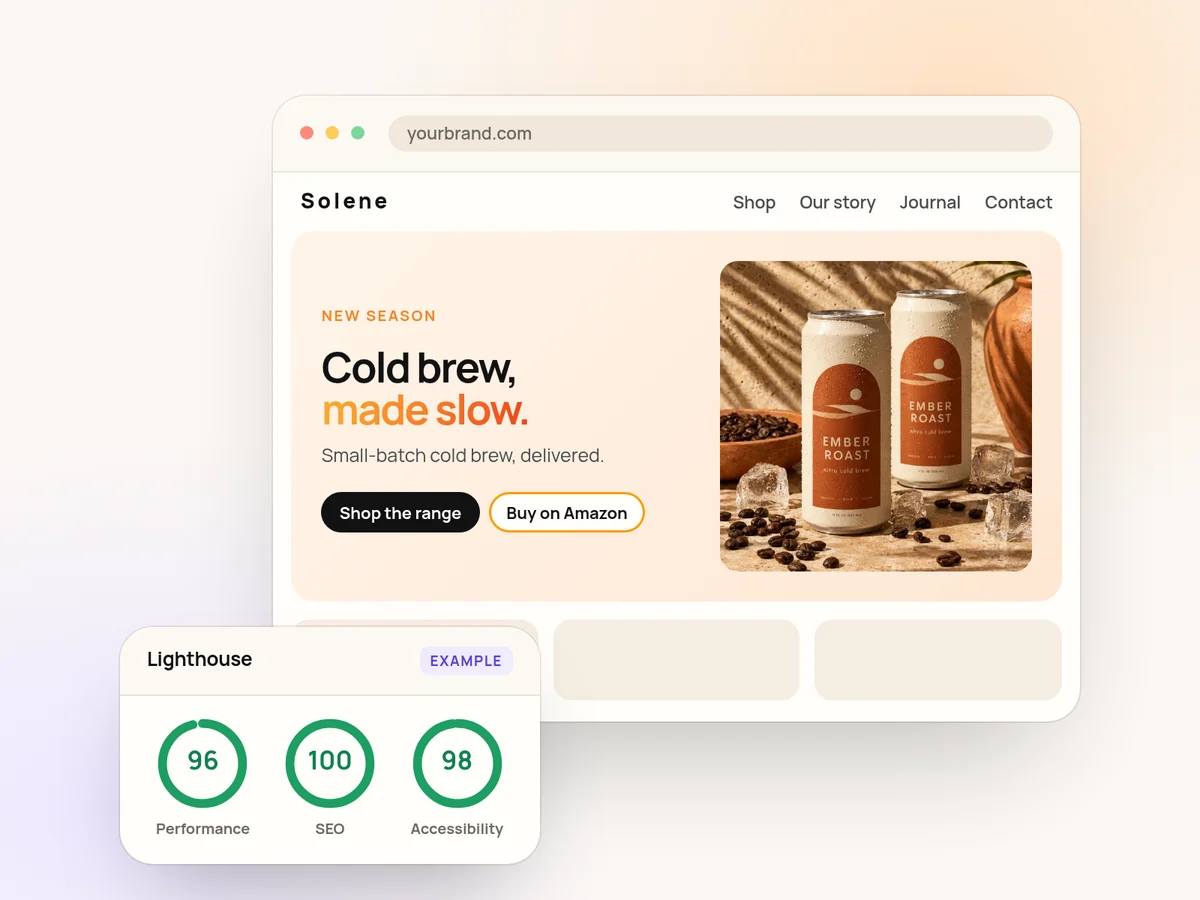
Here is a mistake we see often. A campaign gets clicks but produces weak sales. The seller blames PPC. But sometimes, the ad did its job perfectly. The listing lost the sale.
A shopper clicked. They arrived. Then something made them hesitate.
Maybe the main image felt weak, the price looked high, the bullets did not answer their questions, and the competitors simply looked more convincing.
Before cutting advertising, review:
- Main image quality
- Price and promotion
- Title relevance
- Benefit-focused bullets
- Reviews and ratings
- A+ Content
- Mobile readability
- Inventory availability
A stronger product page can improve conversion rate without forcing us to buy less traffic.
Better conversion = more value from the clicks we already pay for.
That is a much healthier win.
Stop Asking One Campaign to Do Five Jobs
Discovery and profitability are different goals. They deserve different spaces.
Discovery campaigns can help us find new keywords, products, and customer behaviors.
Profit-focused campaigns should concentrate money on targets we already know can perform.
Mix everything together, and weak traffic can consume the same budget your winning sponsored products need.
A cleaner campaign structure may separate:
- Auto campaigns for discovery
- Broad match for research
- Phrase match campaigns
- Exact-match winners
- Branded searches
- Competitor targeting
- Product targeting
Better structure gives us better control.
And better control makes almost every other optimization easier.
Feed Your Winners Before They Go Hungry

Here is a funny problem. Some sellers successfully lower ACOS on Amazon and then wonder:
“Why did my sales drop?”
The answer may be simple. They starved their best campaigns. A campaign with high spend is not automatically a bad campaign. Before cutting it, ask:
a) Is it spending because it attracts wasteful traffic?
b) Is it spending because it produces profitable order volume?
c) Can we move budget from a poor campaign into this winner instead?
That final question changes everything. Good optimization is not just about spending less.
It is about spending better.
Do Not Forget Organic Sales
Paid and organic performance should not live in separate worlds. Advertising gives us useful keyword data. That data can influence our listing strategy. Strong product performance can also support visibility over time.
So we watch more than PPC numbers.
We also pay attention to:
- Organic sales
- Total Amazon sales
- Sales rank
- Order volume
- Keyword visibility
- Conversion trends
Imagine our ACoS falls sharply, but total sales and organic visibility fall with it.
Did we really win? Probably not.
We may have optimized the account too aggressively.
Bring in External Traffic: But Make It Earn Its Seat
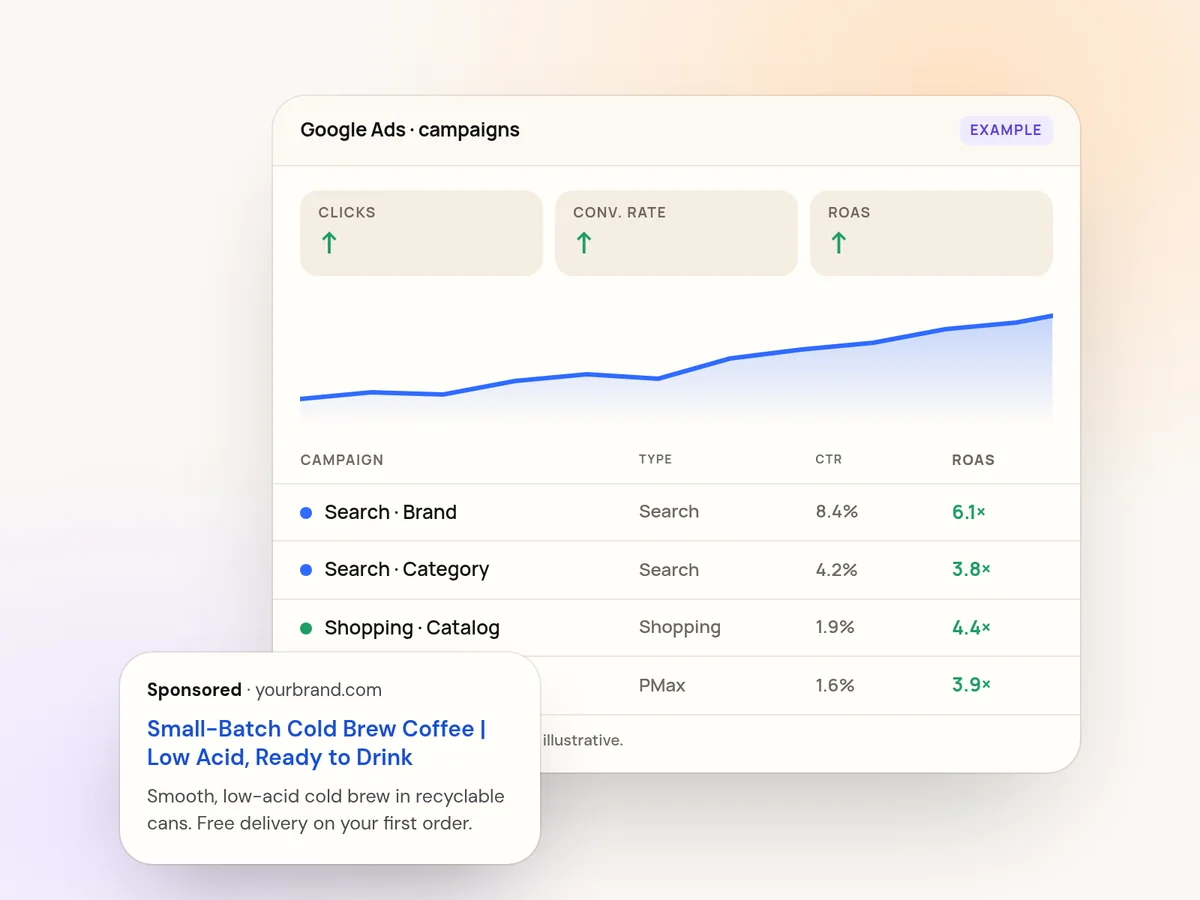
Amazon does not have to be your only source of shoppers. Google can help us reach potential buyers before they enter Amazon. But there is a catch. More traffic is not automatically better traffic. Sending hundreds of low-intent visitors to a listing can create activity without meaningful sales.
Intent matters; tracking matters; targeting matters.
You can also explore the types of Google Ads for Amazon campaigns before deciding where outside traffic belongs in your strategy.
Think of external traffic as another growth lever.
Not another place to burn money.
Our “Protect the Sale” ACoS Test
Wondering how to improve Amazon ACoS without damaging sales? Before touching your budget, ask these five questions.
- Waste: Which search terms consume money without converting?
- Value: Which keywords repeatedly produce profitable Amazon sales?
- Page: Is our listing converting the traffic we already buy?
- Structure: Have we separated discovery from proven targets?
- Momentum: Could this change hurt order volume, sales rank, or organic sales?
If we cannot answer those questions, we probably are not ready to make a major cut.
Good optimization strategies protect growth while removing waste.
Final Takeaway
To lower ACOS on Amazon without killing sales, do not start with a giant budget cut. Start with waste. Find it. Remove it. Then protect what works. Tighten search terms. Adjust bids according to performance. Improve the listing. Separate campaign objectives. Move budget toward winners. Track organic performance. And account for seasonal trends before making dramatic decisions. The goal is not the prettiest ACoS percentage inside Seller Central. The goal is efficient, profitable growth.
When our Ad spend works harder and our best traffic keeps flowing, we do not have to choose between lower costs and stronger Amazon sales.
We can build toward both.
FAQ's
Not sure what your ACoS on Amazon should be? Let’s make the numbers easier to understand.
1. What is a good Amazon ACoS?
It depends on your margins, product stage, and goals. A useful target should support profitability or a deliberate growth strategy.
2. What are ACoS metrics on Amazon ads?
ACoS compares advertising spend with ad-attributed sales. It helps us understand how efficiently campaigns generate revenue.
3. How can we reduce Amazon ACoS without losing sales?
Remove waste first. Lower weak bids, use negative targeting, improve listings, and protect high-converting keywords.
4. Why did my Amazon ACoS suddenly increase?
Higher CPCs, lower conversion rates, stronger competition, weak search terms, pricing changes, or seasonal trends may increase ACoS.
5. Is a lower Amazon ACoS always better?
No. An extremely low ACoS may come from under-spending. Compare it with profit, total sales, organic sales, and growth goals.