


Picture this: Your brand has its own Amazon real estate. Not buried in search results, but front and center with a stunning storefront that tells your story. We're thrilled to walk you through the complete playbook for Amazon store front set up in 2026. Whether you're launching your first brand store or scaling fast, we've cracked the code. Real talk? Setting up an Amazon storefront doesn't have to feel overwhelming. What it does require is sharp strategy, solid planning, and the exact blueprint that works.
So grab your coffee, and let's build something remarkable together.
Why Your Brand Needs an Amazon Storefront Right Now
The e-commerce game changed. Amazon shoppers want immersive brand experiences, not just product listings.
We've watched sellers transform their entire business with a proper Amazon store front set up. Here's why it matters:
- Visibility multiplies instantly. Your storefront appears in search results with its own branded URL.
- Trust builds automatically. A polished storefront signals legitimacy and creates loyal customers.
- Sales accelerate. Customers spend more time exploring, driving conversion rates up.
- You own your story. Control how your brand is presented, not just individual product pages.
- A single product listing is one brochure. A storefront is your entire flagship store.
What Is an Amazon Store?
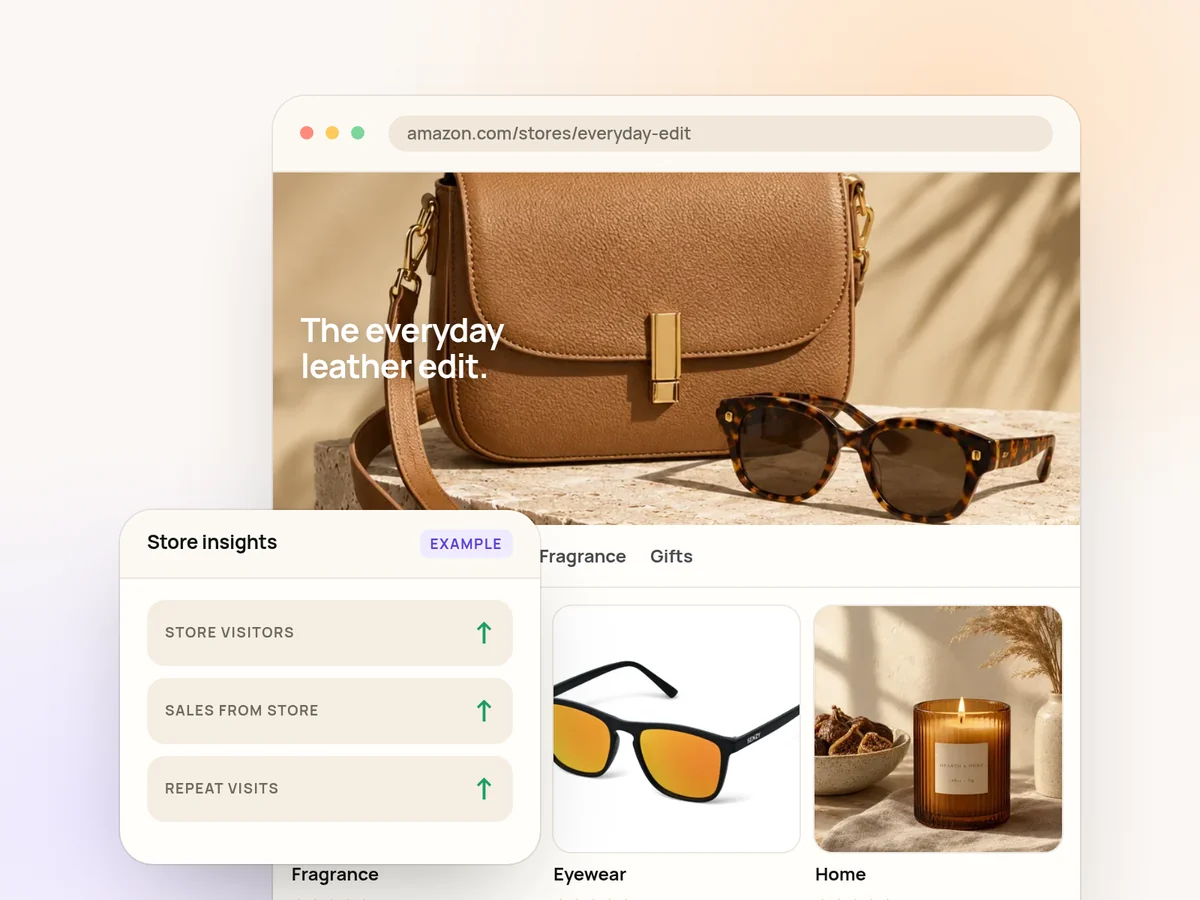
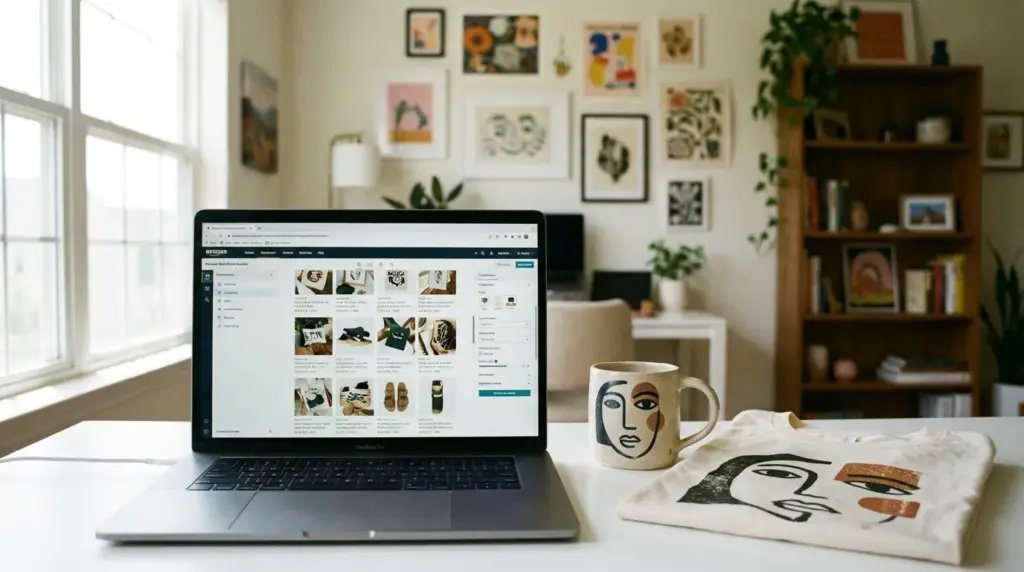
An Amazon store is a branded, curated shopping destination within Amazon's ecosystem. It's your space to showcase everything your brand represents, layouts, collections, custom pages, and your brand story.
Here's the key difference we see:
a) Product Detail Pages
Individual listings that appear in search. Important, but they don't build brand identity.
b) Brand Stores (Your Storefront)
Your branded destination. You control everything, design, navigation, collections, storytelling, and the entire customer journey.
c) Sponsored Brands (Paid Ads)
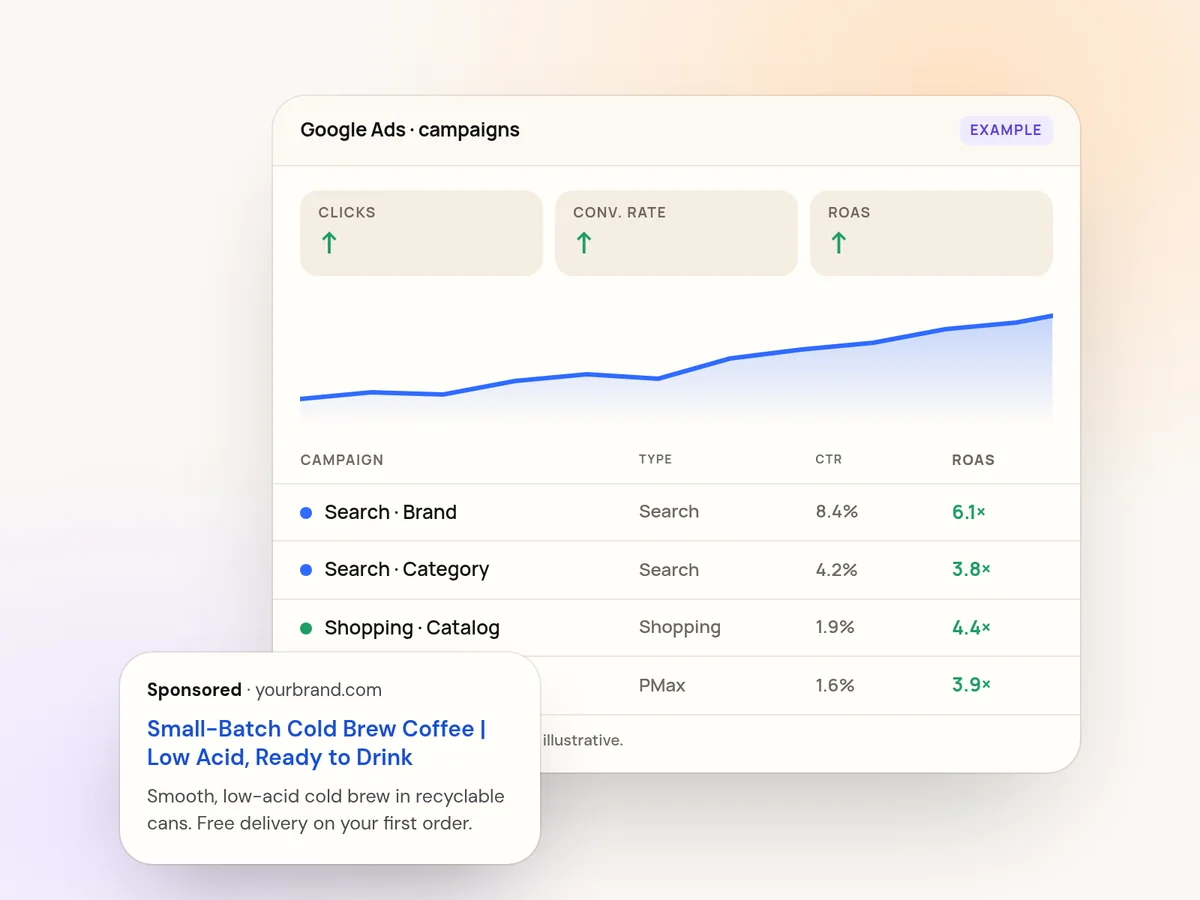
Paid ads that drive traffic to your storefront. We'll talk about these later; they're separate from your actual store.
Step-by-Step: How to Create a Storefront
Here's exactly how to create a brand store on Amazon in 2026:
Step 1: Verify Eligibility
You need:
- Professional selling plan
- Brand Registry enrollment (you must own your trademark)
- Amazon approval before launch
Step 2: Access the Storefront Builder
Log into Seller Central → Stores → Create a Store. Amazon's visual editor requires no coding.
Step 3: Choose Your Template
Pick a template that matches your brand vibe. Customize colors, fonts, and layouts next.
Step 4: Build Collections
Create 3-5 product collections, like:
- Best Sellers
- New Arrivals
- Customer Favorites
- Limited Edition
- Seasonal Items
Step 5: Optimize Product Pages
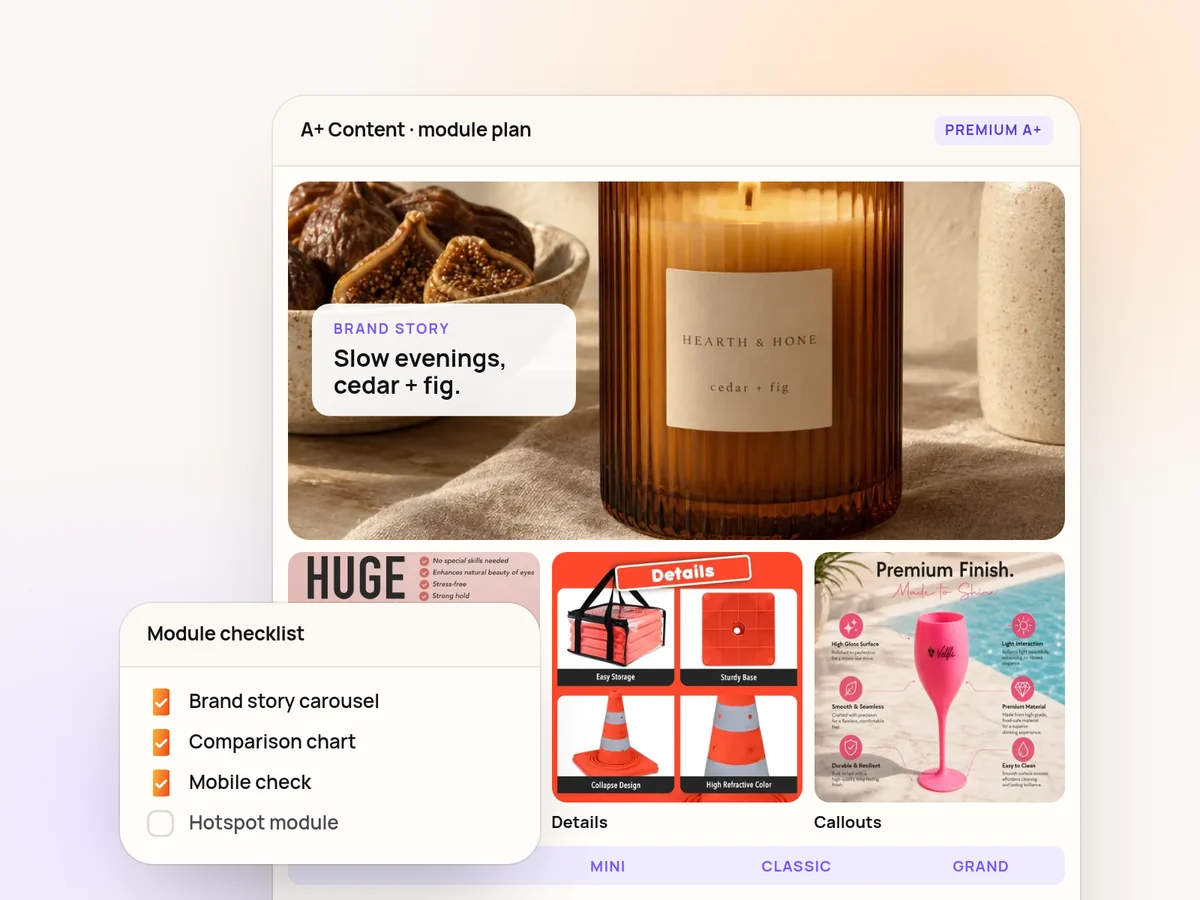
Your products need stellar detail pages with enhanced content, A+ content, and quality images.
Step 6: Create Your Custom URL
Get a branded URL like amazon.com/stores/YourBrandName.
Step 7: Launch and Analyze
Publish and track what works. Which collections drive traffic? Which products convert? Iterate constantly.
The Real Cost: What You'll Actually Spend
Here's what how to set up an Amazon store front actually costs:
i. Monthly Selling Plan
$39.99/month minimum + monthly storage fees (varies by product size/weight)
ii. Referral Fees
8-45% per sale (depends on category)
iii. FBA Fulfillment Fees
Higher than self-fulfillment, but you get Prime eligibility
iv. Advertising (Sponsored Brands)
$100 to thousands monthly, highly flexible
v. Professional Setup (Optional)
Hire someone to set up Amazon store if you lack 20+ hours to learn. Cost of setting up Amazon store through professionals: $1,000–$5,000.
|
Cost Category |
Range |
Notes |
|
Selling Plan |
$39.99/month |
Professional minimum |
|
Referral Fees |
8-45% per sale |
Category-dependent |
|
FBA Fees |
Variable |
Size/weight based |
|
Storage Fees |
$0.15–$0.87/unit |
Peak vs. off-peak |
|
PPC Budget |
$100–$10,000/month |
Flexible |
|
Professional Setup |
$1,000–$5,000 |
One-time |
Budget: Plan for $500–$2,000/month total.
Design for Conversions
Amazon store front set up isn't just about launching; it's about converting browsers into buyers.
Design Principles That Work
- Simplicity wins. Customers understand your brand instantly
- Mobile-first. 60%+ of Amazon traffic is mobile
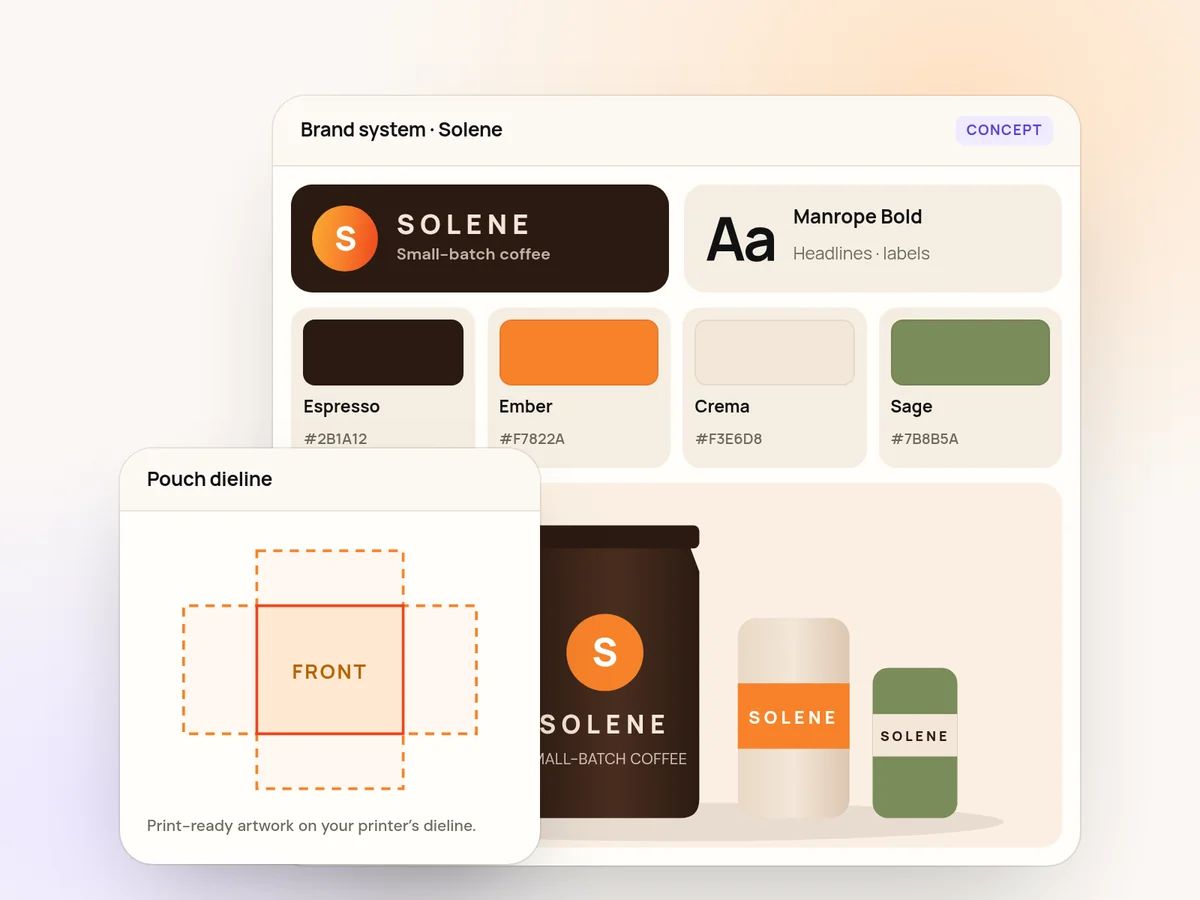
- Consistent branding. Same colors, fonts, imagery throughout
- Speed matters. Slow stores tank conversions
Smart Collections
- Featured collection (best-performers)
- Category collections (organized by type)
- Lifestyle collections ("Perfect for...")
- Urgency collections (limited edition)
- Bundle collections (increase order value)
Amazon FBA vs. Self-Fulfillment
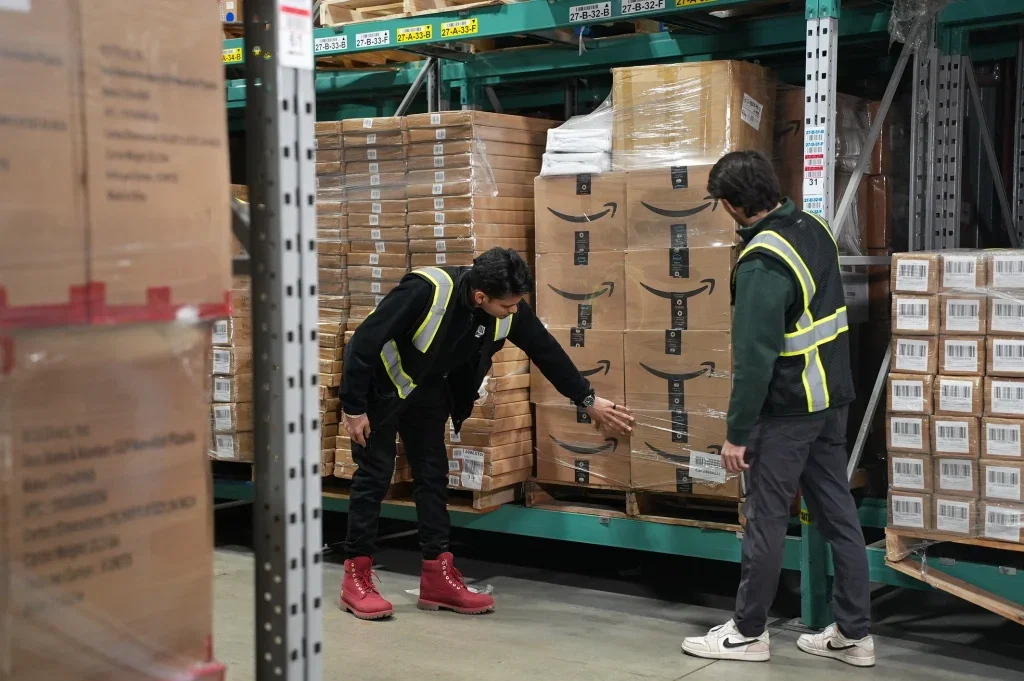
Let's differentiate between these two.
Amazon FBA
- Amazon handles picking, packing, shipping
- Higher costs but Prime eligibility
- Size/weight determines fees
Self-Fulfillment
- You manage shipping
- Lower fees but more work
- Less Prime badge benefits
Most profitable storefronts use FBA for the Prime advantage.
Reducing Your ACoS: The Profitability Secret
Running a storefront without optimizing ad spend is like driving with the emergency brake on.
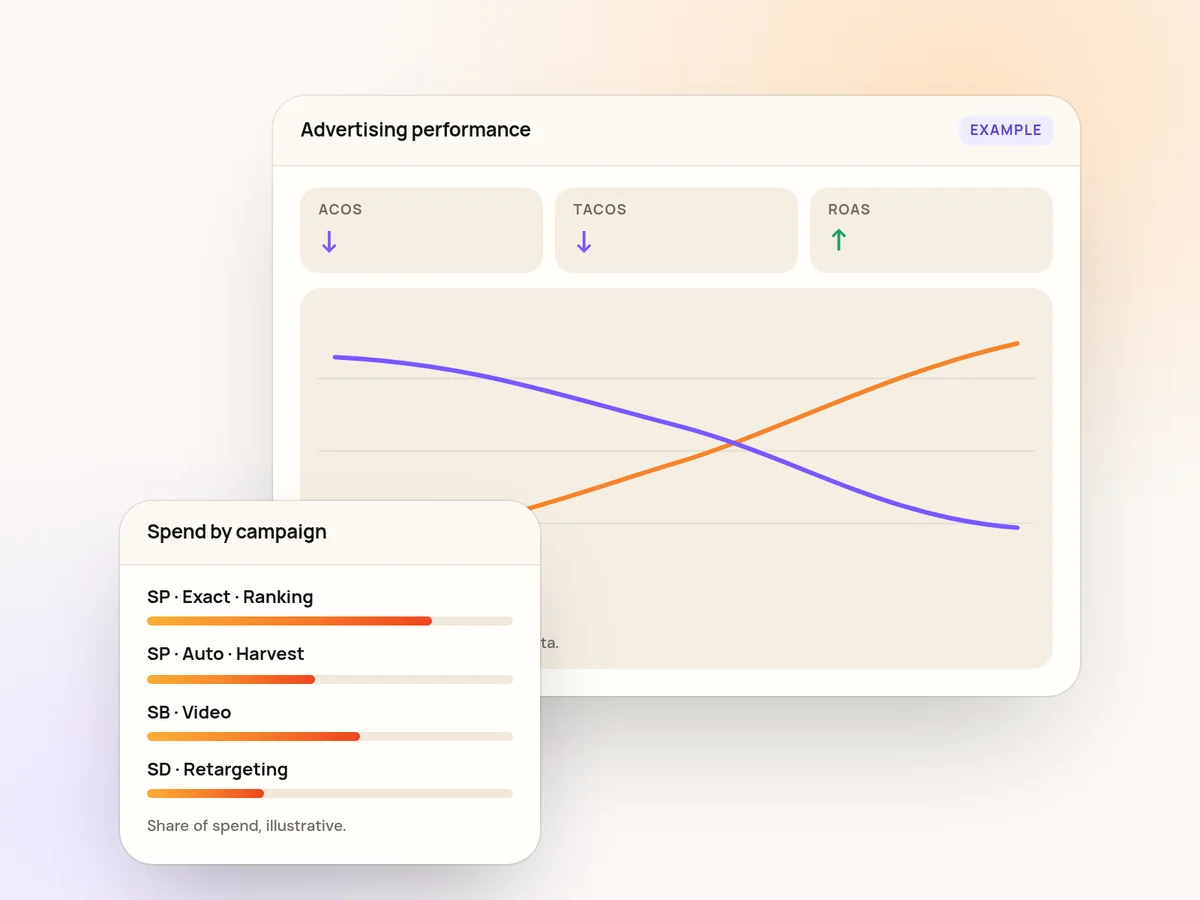
Your Amazon store front set up means nothing if customer acquisition costs exceed profits. That's why ACoS (Ad Cost of Sale) matters.
Key Tactics
- Negative keyword lists eliminate wasted spend
- Strategic bid adjustments focus budget on converters
- Product analysis identifies what deserves ads
- Seasonal adjustments capitalize on peak periods
Three Budget Approaches
Here is a look at some of the budget approaches.
Lean Startup ($500/month)
- $40 selling plan
- $200 storage
- $200 minimal ads
- DIY setup
- Focus: organic visibility
Smart Growth ($1,500/month)
- $40 selling plan
- $300 storage
- $600 ad budget
- $500 professional optimization
- Focus: balanced growth
Aggressive Expansion ($5,000+/month)
- $40 selling plan
- $1,000+ storage/shipping
- $2,000+ ads
- $1,500 professional services
- Focus: market domination
Our suggestion: Start with Smart Growth. Test, measure, and scale winners.
When to Hire Professional Help
Hire someone to set up Amazon store if:
- You're generating $50k+ monthly
- You lack e-commerce expertise
- You want results fast
- You'd rather focus on sourcing/marketing
An Amazon store set up service includes the following:
- Brand Registry enrollment
- Professional design and optimization
- Collection strategy
- A+ product content
- Initial PPC campaign setup
- Analytics dashboard
Your Storefront Is Your Competitive Advantage
Here's what matters: Amazon store front set up isn't just a feature. It's your most powerful competitive edge in a crowded marketplace.
When you invest in a professional storefront, you're building:
- Strong brand recognition
- Customer loyalty and repeat purchases
- Higher conversion rates
- Meaningful competitive differentiation
The sellers dominating Amazon in 2026 aren't cutting corners. They're building experiences customers genuinely love. Take action today. Launch your storefront. Optimize relentlessly. Scale strategically.
Your business will thank you.
The Bottom Line
Summing up, the Amazon landscape in 2026 demands more than product listings. Your competitors are already building storefronts that convert. The question isn't if you should invest in an Amazon store front set up, it's when. A strategic storefront compounds your advantage every single day. Customers don't just see products; they experience your brand. They develop loyalty. They return. Stop overthinking it. Your blueprint is here. Build your storefront. Optimize relentlessly. Watch your sales multiply.
The sellers winning right now didn't hesitate. They acted. You should too.
FAQ's
Still have questions before you build? Here’s a quick look at the FAQs sellers ask most about Amazon storefronts in 2026.
How long does setup take?
2-4 weeks if experienced. Add 2-4 weeks for Brand Registry. Professionals compress it to 1-2 weeks.
Can I change my store after launch?
Yes. Update designs, collections, and layouts anytime with zero downtime.
Why does professional design matter?
Strategic design increases conversions by 30-50%, improves navigation, builds trust, and differentiates your brand. Poor design loses customers and revenue.How do I drive traffic to my storefront?
Use Amazon Sponsored Brands, social media (Instagram, TikTok), email marketing, and content marketing. Diversify traffic sources.